
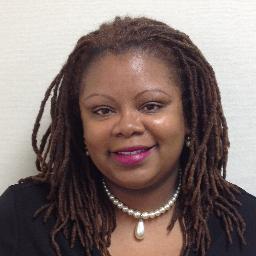
Dr. Annette Solomon
Empathetic psychologist focused on practical change
MI Psychologist 6301013313 Michigan
- Experience
- 21 years in practice
- Focus areas
- Addictions, Relationship, Trauma and abuse
- Approaches
- Cognitive Behavioral Therapy (CBT), Client-Centered Therapy
- Languages
- English
About Annette
Dr. Annette Solomon welcomes people who are ready to change and wants to help them strengthen coping skills and find clearer direction.
Background and approach
She brings 21 years of clinical experience as a Michigan-licensed psychologist and works with adults facing a wide range of concerns including addictions, trauma and abuse, grief, mood and anxiety difficulties, relationship and intimacy challenges, sleep problems, parenting and family stress, ADHD, chronic medical conditions, and career or life-transition issues.
Her practice emphasizes a warm, compassionate, and strength-based stance. She draws on cognitive behavioral techniques alongside client-centered, existential, mindfulness, and motivational interviewing approaches to craft individualized plans.
Dr. Solomon has experience collaborating with medical teams and has worked with clients affected by chronic illness and caregiving strains, as well as people navigating complicated family or blended-family dynamics.
She frames progress as a collaborative effort and uses evidence-informed strategies to help clients set practical goals and build sustainable skills.
Approach and Access: Blending Methods for Online Work
Dr. Solomon commonly uses cognitive behavioral techniques and client-centered methods to guide online sessions. Cognitive Behavioral Therapy (CBT) focuses on identifying patterns of thoughts and behaviors that contribute to distress and teaches practical skills for managing symptoms such as anxiety, depression, sleep problems, and addictive behaviors. Client-centered therapy emphasizes an empathic, nonjudgmental relationship where the client's perspective and goals shape the pace and focus of work.Finding the right approach is treated as a collaborative process. The therapist will discuss goals, preferences, and the presenting concerns and then adapt methods over time to find what works best for each person. This collaborative stance helps tailor interventions from brief skills work to deeper exploratory conversations when appropriate.
Online formats include video calls, phone sessions, live chat, and text-based messaging, offering flexibility for people balancing work, caregiving, or medical needs. These options make it possible to maintain continuity of care, fit sessions into varied schedules, and use different communication styles for skills practice, check-ins, and more in-between-session support.
Frequently asked questions
What kinds of concerns does this practice address?
What therapeutic style can I expect in sessions?
How much clinical experience does the therapist bring?
What are the therapist's credentials and where are they located?
Are sessions offered in other languages or to international clients?
In what formats are sessions available?
How is cost handled for ongoing sessions?
What is the process for starting therapy?
Areas of expertise
Primary focus
Also works with
Additional focus areas
Therapeutic approaches
Experience
21+ years
Licensed
Michigan
Languages
English