
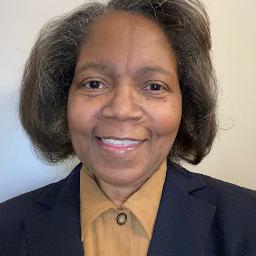
Audrey Jackson
Compassionate practical support for life challenges
LMSW Michigan
- Experience
- 10 years in practice
- Focus areas
- Stress, Anxiety, Addictions, Relationship
- Approaches
- Cognitive Behavioral Therapy (CBT), Client-Centered Therapy
- Languages
- English
About Audrey
Audrey Jackson is an LMSW based in Michigan with a decade of recent clinical experience and a long career background in social work. She focuses on anxiety and depression and draws on training in cognitive behavioral approaches to help clients examine thinking patterns that influence personal choices.
Background and approach
Her work emphasizes building strengths, practical skills, and supports to pursue meaningful life goals. Her clinical history includes telehealth, community mental health, residential programs, job training, and elderly home environments, and she has supported elderly adults, foster care families, and adult men and women.
Audrey offers interventions such as anger management, psychotherapy that explores family and interpersonal dynamics, trauma-sensitive counseling, and assistance with housing or food insufficiency and liaison work with local DHHS agencies.
Clients seeking help with stress, addictions, grief, sleep difficulties, parenting challenges, career concerns, mood disorders including bipolar and depression, ADHD-related issues, or compassion fatigue may find her practical, strengths-oriented approach helpful. She combines cognitive behavioral techniques with client-centered care, motivational interviewing, DBT strategies, and mindfulness practices to tailor support to each person’s needs.
Approaches that guide online care and skill building
Audrey integrates cognitive behavioral therapy and client-centered methods to guide online work. Cognitive behavioral therapy focuses on identifying unhelpful thought patterns and testing alternatives to reduce symptoms like anxiety, depression, and stress-related difficulties; it also offers concrete skill-building for sleep, anger, and mood regulation. Client-centered therapy centers on the person’s goals, using empathetic listening and collaborative planning so clients set the priorities and pace for change.She also draws from dialectical behavior therapy practices when emotion regulation, distress tolerance, or interpersonal effectiveness are primary concerns, teaching practical tools for managing intense feelings and improving relationships. Together these approaches allow flexibility in addressing trauma, addictions, grief, ADHD-related challenges, and workplace or social anxiety by tailoring strategies to each person’s needs and preferences.
Finding the right approach is collaborative: the therapist and client explore goals, try methods, and adjust as progress and feedback indicate. Online formats support that process by making it easier to schedule consistent sessions, follow up between appointments, and use homework or skill practices in daily life.
Practical benefits of online therapy include access to video calls, phone sessions, live chat, and text-based messaging, which offer flexibility for different routines and comfort levels. These options help integrate therapy into work, family, or caregiving schedules while allowing licensed professionals to provide ongoing support and skills coaching from a distance.
Frequently asked questions
What types of concerns does she address?
What is her therapeutic style like?
How much clinical experience does she have?
Where is she licensed and what are her credentials?
Does she provide services in other languages or to international clients?
What session formats are offered?
How is payment handled and what does therapy cost?
How does someone begin working with her?
Areas of expertise
Primary focus
Also works with
Additional focus areas
Therapeutic approaches
Experience
10+ years
Licensed
Michigan
Languages
English