
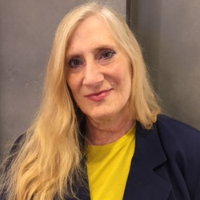
Catherine Kluge
Practical, respectful therapy grounded in evidence-based care
LPC Missouri
- Experience
- 25 years in practice
- Focus areas
- Stress, Anxiety, Addictions, Relationship
- Approaches
- Cognitive Behavioral Therapy (CBT), Client-Centered Therapy
- Languages
- English
About Catherine
Catherine Kluge is a Licensed Professional Counselor (LPC) with 25 years of clinical experience who combines practical therapeutic tools with a respectful, client-centered stance.
Background and approach
She draws on cognitive behavioral techniques alongside motivational interviewing, narrative work, and mindfulness strategies to help people address concerns such as anxiety, depression, addiction, grief, trauma, relationship and intimacy issues, sleep and eating difficulties, ADHD, and mood disorders.
Her practice perspective emphasizes meeting each person where they are and honoring the strengths and life experiences that brought them to therapy. Catherine aims to collaborate with clients to clarify goals, increase daily functioning, and develop new perspectives and coping skills.
Her background includes work in inpatient and community settings as well as substance use treatment, which informs a flexible approach to complex, co-occurring concerns like codependency, impulsivity, and workplace or parenting stress. Clients can expect a professional yet compassionate presence that supports growth through practical strategies and reflective exploration.
Catherine’s credentials and long tenure in Missouri reflect an ongoing commitment to helping people navigate life transitions, manage symptoms, and pursue healthier patterns of thinking and behavior.
Therapeutic approaches suited to online care
Many clients find cognitive behavioral therapy helpful for identifying unhelpful thought patterns and developing practical skills to reduce symptoms of anxiety, depression, panic, and mood concerns. CBT focuses on actionable strategies such as activity scheduling, behavioral experiments, and cognitive restructuring to support measurable change.Client-centered therapy emphasizes empathy, respect, and collaboration, allowing the therapist to follow the client's lead while creating space to explore values, emotions, and goals. Mindfulness-informed techniques can be blended into sessions to teach present-moment awareness and stress-reduction practices that are useful for coping with overwhelm, sleep difficulties, and emotional reactivity.
Choosing the right approach is a collaborative process. The therapist will work with each person to determine which combination of methods fits their preferences, goals, and the particular challenges they bring, adjusting the plan as progress is made.
Online work with a licensed professional offers flexibility in how sessions are scheduled and delivered, with options for video calls, phone sessions, live chat, or text-based messaging. These formats can make it easier to maintain continuity of care amid busy schedules, life changes, and geographic limits while still allowing therapists to teach skills, review progress, and support ongoing work between meetings.
Frequently asked questions
What kinds of concerns does she address?
What therapeutic style can I expect in sessions?
How long has she been practicing?
What are her credentials and where does she practice?
Does she offer services in other languages or to international clients?
Which session formats are available?
How are sessions paid for and what do they cost?
What is the process for beginning therapy?
Areas of expertise
Primary focus
Also works with
Additional focus areas
Therapeutic approaches
Experience
25+ years
Licensed
Missouri
Languages
English