
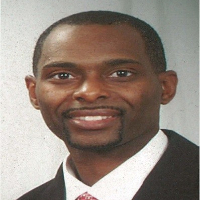
Dr. Charles Graham
Practical, personalized therapy focused on change
LMSW Michigan
- Experience
- 20 years in practice
- Focus areas
- Stress, Anxiety, Addictions, Trauma and abuse
- Approaches
- Cognitive Behavioral Therapy (CBT), Acceptance and Commitment Therapy (ACT)
- Languages
- English
About Charles
Dr. Charles Graham welcomes people seeking practical, goal-focused support for stress, anxiety, addiction, depression, trauma, relationship and intimacy concerns, ADHD, and other life challenges.
Background and approach
He emphasizes an optimistic, accepting, and interactive style that aims to meet each person where they are and tailor work to the issues they bring. With 20 years of clinical practice in Michigan, he draws on a range of evidence-informed methods while centering collaborative conversation and individualized planning.
His background as an LMSW informs a strengths-based, respectful approach that pays attention to cultural and contextual factors, fatherhood and men’s issues, grief, and problems with sleep, eating, and self-esteem. Dr.
Graham blends structured techniques with empathic listening, adapting interventions to the client’s goals and preferences. He works with concerns that include panic and obsessive symptoms, substance use, post-traumatic stress, family problems, and life purpose questions.
His aim is to help clients develop coping strategies, improve daily functioning, and move toward meaningful change through a tailored therapeutic process.
How therapeutic approaches translate to online care
Dr. Graham frequently draws on Cognitive Behavioral Therapy and Acceptance and Commitment Therapy in online work. CBT focuses on identifying and changing unhelpful thoughts and behaviors to reduce symptoms like anxiety and depression, while ACT helps people clarify values and build psychological flexibility by learning acceptance and mindfulness skills.Finding the right approach is a collaborative process. The therapist will work with clients to understand goals, preferences, and presenting problems, and then recommend or blend methods that best match those needs rather than using a single fixed model.
Online therapy offers practical flexibility through video calls, phone sessions, live chat, and text-based messaging. These formats make it easier to fit sessions into busy schedules, maintain continuity when life circumstances change, and access licensed professionals from different locations while still following a structured, evidence-informed treatment plan.
Frequently asked questions
What kinds of concerns does this therapist address?
What is his therapeutic approach and style?
How much clinical experience does he have?
What are his credentials and where is he located?
Can he work with people outside the United States?
Which session formats are available for therapy?
How are fees and payment handled?
What do I need to do to begin working with him?
Areas of expertise
Primary focus
Also works with
Additional focus areas
Therapeutic approaches
Experience
20+ years
Licensed
Michigan
Languages
English