
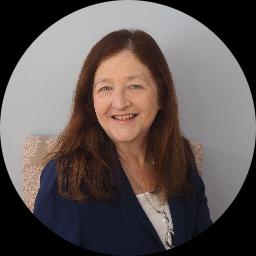
Chrystine Longley
Compassionate clinician focused on practical recovery
LICSW, LCSW Massachusetts
- Experience
- 6 years in practice
- Focus areas
- Stress, Anxiety, Trauma and abuse, Grief
- Approaches
- Cognitive Behavioral Therapy (CBT), Client-Centered Therapy
- Languages
- English
About Chrystine
Chrystine Longley is a licensed clinician with experience helping people navigate stress, anxiety, trauma, grief, anger, and depression. She uses an empathetic, nonjudgmental manner to create a space where clients can explore difficult emotions and begin to regain a sense of balance.
Background and approach
With six years of professional practice, she draws on a range of therapeutic methods to tailor work to each person's needs. Chrystine holds LICSW and LCSW credentials and is licensed to practice in Massachusetts and Connecticut.
Her background includes work with individuals facing chronic illness, caregiver strain, and life transitions such as divorce and loss, as well as concerns related to post-traumatic stress and panic. She emphasizes collaboration and practical strategies while attending to emotional experience and meaning, helping clients identify goals and small, manageable steps toward them.
How evidence-based approaches translate to online care
Chrystine often draws on Cognitive Behavioral Therapy to help clients identify and change unhelpful thinking patterns and behaviors; CBT is practical and works well for anxiety, panic, depression, and stress-related concerns. She also uses Client-Centered Therapy, which emphasizes empathic listening and creating a collaborative space where a person’s own goals and values guide the work. Both approaches are adaptable to distance formats and focus on developing strategies and insight that clients can apply between sessions.Finding the right approach is a collaborative process. She will work with each client to consider goals, preferences, and what feels most helpful, adjusting methods over time rather than using a single fixed model. This partnership helps ensure that the therapeutic plan fits the person rather than forcing them into one style.
Online therapy options include video calls, phone sessions, live chat, and text-based messaging, offering flexibility for different schedules and comfort levels. These formats make it easier to maintain continuity of care around work, caregiving, or medical commitments, while allowing therapists to use exercises, reflection, and behavioral practices in real time or between sessions.
Frequently asked questions
What concerns does this therapist commonly address?
What is her therapeutic style like?
How much clinical experience does she have?
What credentials and region apply to her practice?
Which languages are available for sessions?
What session formats does she offer?
How is cost handled for sessions?
How do I begin working with her?
Areas of expertise
Primary focus
Additional focus areas
Therapeutic approaches
Experience
6+ years
Licensed
Connecticut, Massachusetts
Languages
English