
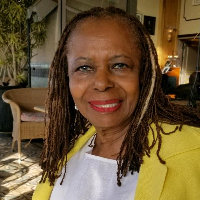
Clymie Allen
Supportive LCSW blending practical and reflective care
LCSW California
- Experience
- 40 years in practice
- Focus areas
- Stress, Anxiety, Addictions, Relationship
- Approaches
- Cognitive Behavioral Therapy (CBT), Client-Centered Therapy
- Languages
- English
About Clymie
Clymie Allen is a licensed clinical social worker whose practice draws on four decades of experience supporting people through anxiety, depression, addiction, grief, trauma, and major life transitions.
Background and approach
She integrates cognitive behavioral ideas with a client-centered stance and existential perspectives to help clients identify practical steps for change while exploring meaning and values. Her work emphasizes clear communication, building trust, and collaborative problem solving rooted in each person’s goals and circumstances.
Allen has worked across outpatient community settings and with veterans and their families at a VA hospital, developing skills in grief, relationship struggles, parenting concerns, eating and sleeping problems, anger, self-esteem, and coping with illness or caregiving stress.
Her approach is adaptable to a wide range of concerns including intimacy-related issues, bipolar mood management, and recovery from trauma and abuse. She holds an MSW from the University of Southern California and maintains LCSW credentials in California and Texas, bringing experienced, compassionate guidance to those seeking practical and reflective support.
Combining practical strategies and personal meaning through online therapy
Many clients benefit from Cognitive Behavioral Therapy because it focuses on identifying unhelpful thoughts and testing practical behavior changes to reduce distress and improve daily functioning, which can help with anxiety, depression, and addictive patterns. Client-Centered Therapy emphasizes empathy, active listening, and a nonjudgmental relationship where the therapist supports clients in finding their own solutions and building self-understanding. Existential Therapy invites exploration of values, purpose, and life choices when coping with transitions, grief, or questions about meaning.Deciding which approach fits best is a collaborative process. The therapist works with each person to clarify goals, try techniques, and adjust the plan as progress and preferences become clearer. That collaborative stance helps ensure practical tools are balanced with deeper reflection when appropriate.
Online formats here include video calls, phone sessions, live chat, and text-based messaging, offering flexibility for people with busy schedules or mobility limitations. These options allow continuity of care when in-person meetings are difficult and make it easier to schedule brief check-ins, longer weekly sessions, or messaging between meetings according to client needs.
Frequently asked questions
What kinds of concerns does this therapist address?
What therapeutic style is used in sessions?
What is the therapist's background and experience?
What credentials and location information are on file?
Are sessions available in languages other than English?
Which session formats are offered for therapy?
How is cost handled for ongoing sessions?
What are the first steps to begin working with this clinician?
Areas of expertise
Primary focus
Also works with
Additional focus areas
Therapeutic approaches
Experience
40+ years
Licensed
California, Texas
Languages
English