
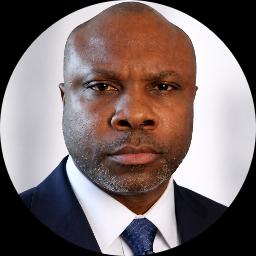
Damion Farrow
Practical strategies for emotional resilience
LPC Georgia
- Experience
- 20 years in practice
- Focus areas
- Stress, Anxiety, Addictions, Relationship
- Approaches
- Cognitive Behavioral Therapy (CBT), Client-Centered Therapy
- Languages
- English
About Damion
Damion Farrow is an LPC based in Georgia who helps people manage stress, anxiety, addictions, relationship struggles, anger, and depression. With 20 years of professional experience, he guides clients through practical strategies and emotional exploration to address immediate concerns while building longer-term coping skills.
Background and approach
His work also pays attention to issues like abandonment, blended family tensions, communication breakdowns, and recovery from natural or human-caused disasters. Farrow emphasizes a collaborative, nonjudgmental atmosphere where clients can express difficult thoughts and feelings openly.
He blends evidence-informed techniques, including cognitive behavioral therapy, with client-centered and dialectical behavior therapy elements to tailor interventions to each person’s needs. That approach aims to balance insight, skill-building, and emotional regulation so clients leave sessions with concrete tools to try between meetings.
Clients can expect a professional who values direct support and steady encouragement during change. He invites those ready to take a first step toward greater well-being to engage in a process that respects individual pace while focusing on realistic goals and measurable progress.
Approaches for Online Growth and Coping
Cognitive Behavioral Therapy is focused on identifying and changing unhelpful thought patterns and behaviors, offering practical tools to reduce anxiety, manage depressive symptoms, and address addictive behaviors. Client-Centered Therapy emphasizes listening, acceptance, and collaboration so clients can explore feelings at their own pace while feeling understood and supported in making choices. Dialectical Behavior Therapy adds skills for emotional regulation, distress tolerance, and improved interpersonal effectiveness, which can be especially useful for intense mood swings, anger, or relationship conflicts.
Choosing the right approach is often a collaborative process. The therapist works with each person to assess needs, goals, and preferences and then tailors techniques accordingly, combining methods when that better serves the client's objectives. This collaborative stance helps ensure the plan fits the individual rather than fitting the person to a single method.
Online therapy offers flexible ways to engage through video calls, phone sessions, live chat, or text-based messaging, making it easier to fit meetings into varied schedules and life situations. These formats support continuity of care and allow licensed professionals to guide progress and teach skills that clients can practice between sessions, enhancing accessibility across locations.
Frequently asked questions
What concerns does this therapist address?
What is the therapist's general approach in sessions?
How much clinical experience does the therapist have?
Where is the therapist licensed and what credentials are listed?
Can nonlocal or international clients work with this therapist?
In what formats are sessions offered?
How are fees and subscriptions handled?
What are the steps to begin working together?
Areas of expertise
Primary focus
Additional focus areas
Therapeutic approaches
Experience
20+ years
Licensed
Georgia
Languages
English