
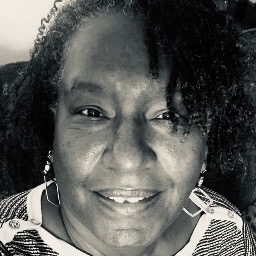
Dr. Darlene Anderson
Compassionate, evidence-informed counseling for life challenges
LPC, LCMHC Virginia
- Experience
- 20 years in practice
- Focus areas
- Stress, Anxiety, Relationship, Self esteem
- Approaches
- Cognitive Behavioral Therapy (CBT), Client-Centered Therapy
- Languages
- English
About Darlene
Dr. Darlene Anderson brings two decades of clinical practice to her work as a Licensed Professional Counselor (LPC) in Virginia and a Licensed Clinical Mental Health Counselor (LCMHC) in North Carolina.
Background and approach
She emphasizes a collaborative, strengths-based approach grounded in evidence-informed methods, including Cognitive Behavioral Therapy (CBT). Her training and years of practice shape a pragmatic style that balances skill teaching with empathetic listening.
Clients seeking help for stress, anxiety, depression, relationship strains, addiction concerns, grief, trauma, and self-esteem issues will find a practitioner who attends to both presenting symptoms and underlying patterns. Dr.
Anderson also works with concerns such as parenting challenges, career transitions, intimacy difficulties, and various family dynamics. She integrates mindfulness and motivational techniques alongside narrative and dialectical approaches to tailor interventions to each person’s needs.
Throughout her practice she aims to help people build practical coping strategies, improve communication, and foster sustainable change at a pace that feels manageable. Her focus is on helping clients identify goals, test new behaviors, and strengthen resilience in everyday life.
Practical therapeutic methods for online care
Dr. Anderson commonly uses Cognitive Behavioral Therapy (CBT) and Client-Centered Therapy in her online practice. CBT focuses on identifying and changing unhelpful thoughts and behaviors through structured exercises and skill-building, which can be useful for anxiety, depression, stress, and patterns that interfere with daily functioning. Client-Centered Therapy emphasizes empathy, validation, and collaborating with the client to set goals and explore personal strengths, supporting growth through a respectful, nonjudgmental therapeutic relationship.She also draws on Dialectical Behavior Therapy (DBT) skills when appropriate, teaching emotion regulation, distress tolerance, and interpersonal effectiveness tools for clients who need concrete strategies for managing intense feelings. Choosing the right mix of approaches is a collaborative process; the therapist will work with each person to assess goals, preferences, and what feels most helpful in early sessions and then adapt methods over time.
Online formats such as video calls, phone sessions, live chat, and text-based messaging are offered to increase flexibility and access to care. These options make it easier to fit therapy into busy schedules, maintain continuity across life changes, and practice new skills between conversations.
Frequently asked questions
What kinds of concerns does this therapist address?
What is the general therapeutic style and approach?
How much clinical experience does the therapist have?
Which credentials and location are listed for this clinician?
Can sessions be conducted in other languages or with international clients?
What session formats are available for remote work?
How are fees and subscriptions handled?
What are the steps to begin working together?
Areas of expertise
Primary focus
Also works with
Additional focus areas
Therapeutic approaches
Experience
20+ years
Licensed
Virginia, North Carolina
Languages
English