
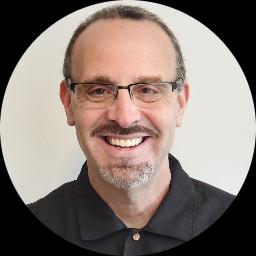
Dr. David Goodman
Experienced psychologist guiding practical change
WI Psychologist 2581-57 Wisconsin
- Experience
- 29 years in practice
- Focus areas
- Stress, Anxiety, Parenting, Anger
- Approaches
- Cognitive Behavioral Therapy (CBT), Acceptance and Commitment Therapy (ACT)
- Languages
- English
About David
Dr. David Goodman is a licensed psychologist practicing in Wisconsin who focuses on a wide range of concerns including stress, anxiety, depression, bipolar disorder, addictions, trauma and abuse, relationship and intimacy matters, parenting challenges, ADHD, grief, anger, self-esteem, career transitions, and coping with life changes.
Background and approach
He combines practical, evidence-informed strategies with an empathic, collaborative stance to help people clarify goals and develop skills for managing symptoms and improving day-to-day functioning. With 29 years of clinical experience, Dr.
Goodman often blends cognitive behavioral techniques with acceptance and mindfulness-informed strategies and attachment-oriented perspectives to tailor care to each person’s needs. He frames interventions in clear, relatable terms and uses measurable assessment tools to track progress over time.
His work emphasizes learning concrete skills, exploring patterns that maintain difficulties, and building resources that support lasting change. Dr.
Goodman offers remote services and accepts international clients, and he communicates in English. His practice uses a subscription model for sessions that can be canceled at any time, and scheduling begins by completing a brief questionnaire to match with availability.
He holds the credential WI Psychologist 2581-57.
Online Approaches and How They Help
Dr. Goodman uses Cognitive Behavioral Therapy (CBT) to help people identify unhelpful thinking and behavior patterns and learn practical skills for managing symptoms such as anxiety, mood difficulties, and stress. Acceptance and Commitment Therapy (ACT) complements that work by encouraging values-based action and the development of psychological flexibility, which can be helpful for coping with chronic problems and life transitions. Attachment-Based Therapy is used when relational patterns and early attachment experiences appear relevant, offering a way to explore interpersonal dynamics and improve emotional connection and safety.
Choosing the right approach is a collaborative process. The therapist will work with each person to understand their goals, preferences, and the nature of the difficulties they bring, and then recommend or combine approaches that seem most likely to help. This collaborative planning helps ensure therapy is tailored and responsive rather than one-size-fits-all.
Online sessions are available by video call, phone, live chat, or text-based messaging to offer flexibility in how and when people engage in care. These options make it easier to fit appointments into busy schedules, access therapy from different locations including internationally, and maintain continuity when life circumstances change.
Frequently asked questions
What concerns does Dr. Goodman address in therapy?
How would you describe his therapeutic style?
What is his clinical background and experience?
What credentials and location are listed for this therapist?
Can nonlocal or international clients work with him?
Which session formats are available for ongoing care?
How is pricing structured for therapy with this clinician?
What steps are needed to begin working with him?
Areas of expertise
Primary focus
Also works with
Additional focus areas
Therapeutic approaches
Experience
29+ years
Licensed
Wisconsin
Languages
English