
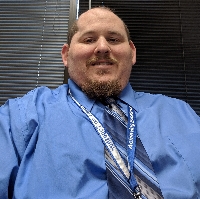
David Rawlins
Compassionate counselor using practical, skills-based therapy
LPC Michigan
- Experience
- 12 years in practice
- Focus areas
- Stress, Anxiety, Trauma and abuse, Career
- Approaches
- Cognitive Behavioral Therapy (CBT), Client-Centered Therapy
- Languages
- English
About David
David Rawlins is a Licensed Professional Counselor (LPC) in Michigan who draws on a client-centered foundation blended with Cognitive Behavioral Therapy to help people navigate depression, anxiety, trauma, career concerns, and addiction-related challenges.
Background and approach
With 12 years of clinical experience, he emphasizes building a relaxed, non-threatening therapeutic relationship that supports honest exploration of the issues clients bring. He aims to create rapport that makes it easier to focus on practical steps and coping skills.
He works with adolescents and adults and brings background from community mental health, teaching, and clinical supervision into his independent practice. His training includes targeted approaches for trauma recovery and skills-based work to restore coping capacity after stressful events.
Education includes a master’s degree in counseling from Argosy University - Nashville and a bachelor’s degree in psychology from Siena Heights University in Adrian, MI. In sessions he integrates evidence-informed methods such as CBT, DBT, mindfulness, motivational interviewing, and solution-focused strategies to tailor care to each person’s needs.
Prospective clients who are seeking guidance around relationships, mood disorders, substance concerns, or life transitions can start by completing the program’s intake steps and scheduling according to therapist availability.
How evidence-based approaches translate to online care
David uses Cognitive Behavioral Therapy to identify and shift unhelpful thinking and behavior patterns, which can be especially useful for anxiety, depression, stress, and some addiction-related struggles. Client-Centered Therapy is also a core part of his work, emphasizing an accepting, empathetic therapeutic relationship that helps clients explore concerns at their own pace. He draws on Dialectical Behavior Therapy techniques when emotion regulation, distress tolerance, or interpersonal skills are priorities, offering concrete tools for managing intense feelings.Choosing the right mix of approaches is a collaborative process. The therapist will work with each person to assess needs, set goals, and decide which methods fit best, adjusting strategies as progress unfolds. That collaborative stance helps tailor sessions to what is most relevant and practical for the individual's situation.
Online therapy formats include video calls, phone sessions, live chat, and text-based messaging, providing flexibility for different schedules and comfort levels. These options make it easier to maintain continuity of care during busy periods or when in-person visits are difficult, while still focusing on skills-building, problem solving, and emotional support delivered by a licensed professional.
Frequently asked questions
What concerns does he commonly address?
What therapeutic style can I expect in sessions?
How long has he been practicing clinically?
What are his credentials and where is he located?
Which languages does he use in therapy and can he work with international clients?
What formats are available for sessions?
How are fees and subscription handled?
What steps should I take to begin therapy?
Areas of expertise
Primary focus
Also works with
Additional focus areas
Therapeutic approaches
Experience
12+ years
Licensed
Michigan
Languages
English