
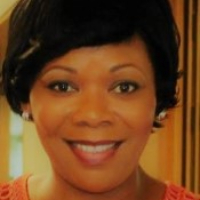
Dr. Deborah Harris-Sims
Compassionate, practical therapy for life's challenges
LPC District of Columbia
- Experience
- 20 years in practice
- Focus areas
- Relationship, Family, Trauma and abuse
- Approaches
- Cognitive Behavioral Therapy (CBT), Client-Centered Therapy
- Languages
- English
About Deborah
Dr. Deborah Harris-Sims brings two decades of clinical counseling experience to her work, drawing on Cognitive Behavioral Therapy alongside client-centered and psychodynamic influences.
Background and approach
She frames therapy around practical, research-informed strategies that address mood, relationships, and life transitions while honoring each person's lived experience. Dr.
Sims holds advanced degrees in psychology and counseling and practices as an LPC in the District of Columbia (SC LPC 8822, DC LPC PRC14149). Over the years she has helped people navigate depression, anxiety, trauma and abuse, addictions, grief, stress, and intimacy-related concerns, as well as a broad range of relationship and family-of-origin issues.
Her background also includes supporting those dealing with parenting challenges, career questions, and identity-related stressors. Her style is attentive and collaborative, combining solution-focused techniques with cognitive-behavioral tools to build coping skills and clarify goals.
Clients can expect an approach that balances practical steps with exploration of deeper patterns, aimed at restoring emotional balance and improving daily functioning.
Using proven approaches in online therapy
Dr. Deborah Harris-Sims integrates Cognitive Behavioral Therapy and Trauma-Focused Therapy into her online practice to address both current symptoms and the impact of past events. CBT focuses on identifying unhelpful thoughts and building practical coping skills to reduce anxiety, depression, and stress-related patterns. Trauma-Focused Therapy attends to the effects of traumatic or abusive experiences by helping clients process difficult memories and develop strategies for managing flashbacks, intense emotions, and related symptoms.Choosing the right approach is treated as a collaborative process. The therapist works with each person to clarify goals, consider preferences, and adjust methods as needed so that interventions fit the individual’s concerns and pace. Over time the plan can be refined based on progress and changing needs.
Online sessions are offered via video calls, phone sessions, live chat, or text-based messaging to increase flexibility and access. These options make it easier to maintain continuity of care around busy schedules, across locations, or when in-person visits are not feasible, while allowing licensed professionals to deliver structured, evidence-informed support.
Frequently asked questions
What kinds of concerns does this therapist address?
What therapeutic style can I expect in sessions?
How much clinical experience does the therapist have?
What are the therapist's credentials and location?
Can sessions be conducted in other languages or with international clients?
Which session formats are available for remote care?
How is cost structured for sessions with this therapist?
What are the steps to begin working with this therapist?
Areas of expertise
Primary focus
Also works with
Additional focus areas
Therapeutic approaches
Experience
20+ years
Licensed
District of Columbia, South Carolina
Languages
English