
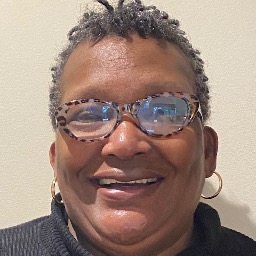
Denise Stinson
Compassionate, practical care for life transitions
LMSW Michigan
- Experience
- 10 years in practice
- Focus areas
- Grief, Coping with life changes, Stress, Anxiety
- Approaches
- Cognitive Behavioral Therapy (CBT), Client-Centered Therapy
- Languages
- English
About Denise
Denise Stinson is an LMSW with ten years of clinical experience who focuses on helping people manage grief, depression, anxiety, stress, and major life changes.
Background and approach
She works with clients facing caregiving responsibilities, chronic illness and pain, hospice and end-of-life concerns, and related challenges such as cancer and co-morbid conditions. Denise emphasizes practical coping skills and builds on each person’s existing strengths to support movement toward meaningful goals.
Her approach blends cognitive behavioral strategies with client-centered listening, motivational interviewing, narrative techniques, and solution-focused practices to tailor care to individual needs. She describes her counseling style as empathic and non-judgmental, encouraging clients who are ready to engage in active work to make changes.
Denise also draws on knowledge of community resources when appropriate to help people connect with supports that complement therapy. Based in Michigan, she brings particular experience with aging and geriatric issues while addressing multicultural concerns and the emotional fallout from disasters and other life stressors.
Her work aims to help clients identify practical steps forward and build resilience through collaborative goal setting and skill development.
How therapeutic approaches translate to online care
Cognitive Behavioral Therapy (CBT) is used to help clients identify unhelpful thinking patterns and develop practical strategies to change behaviors and emotional reactions; it is often applied to anxiety, depression, stress, and coping with life transitions. Client-Centered Therapy focuses on building an empathic, accepting relationship that lets clients explore feelings and values at their own pace, supporting self-directed growth and greater clarity about next steps. Motivational Interviewing helps people clarify their personal motivations and move through ambivalence when making difficult changes, which can be especially useful for caregiving decisions or health-related adjustments.Finding the right approach is a collaborative process. The therapist combines these methods as needed and partners with clients to choose techniques that match their goals, preferences, and circumstances rather than using a one-size-fits-all method. This flexibility allows work to shift over time as needs evolve.
Online therapy offers practical flexibility through video calls, phone sessions, live chat, and text-based messaging, making it easier to fit sessions into busy lives or manage care from home. These formats support regular check-ins, skill practice between sessions, and continuity of care when in-person meetings are difficult, while allowing licensed professionals to guide goal setting and skill-building remotely.
Frequently asked questions
What kinds of concerns does this therapist address?
How would you describe the therapeutic style used in sessions?
What is the clinician's background and experience?
Where is the therapist located and what are the credentials?
Are services offered in other languages or to international clients?
What session formats are available for working together?
How is pricing handled for sessions?
What are the steps to begin therapy with this clinician?
Areas of expertise
Primary focus
Also works with
Additional focus areas
Therapeutic approaches
Experience
10+ years
Licensed
Michigan
Languages
English