
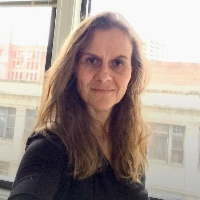
Dominique Decoster
Trauma-informed LICSW with practical skills
LICSW Massachusetts
- Experience
- 4 years in practice
- Focus areas
- Stress, Anxiety, Addictions, Trauma and abuse
- Approaches
- Cognitive Behavioral Therapy (CBT), Client-Centered Therapy
- Languages
- English, Spanish, French
About Dominique
Dominique Decoster is a licensed clinical social worker (LICSW) who assists people dealing with stress, anxiety, addictions, trauma and abuse, depression, grief, eating and sleeping difficulties, parenting concerns, anger, self-esteem struggles, and bipolar disorder.
Background and approach
She also addresses related challenges such as attachment issues, autism and Asperger syndrome, cancer-related concerns, codependency, communication problems, dissociation, domestic violence, substance addiction, fatherhood issues, gender dysphoria, hoarding, immigration-related stress, intellectual disability, and isolation or loneliness. Dominique draws on a range of therapeutic methods to tailor care to each person’s needs.
Her training includes a Master of Social Work and two internships that shaped her clinical perspective: one in a correctional facility and another at a cancer center.
Early professional experience included three years working as a clinic therapist, followed by long-term work as a social worker within the public defender’s office where she provided services to indigent people facing criminal charges. That background informs a practical, trauma-informed approach grounded in empathy and collaboration.
Dominique’s practice integrates evidence-based tools such as cognitive behavioral techniques alongside client-centered and mindfulness-informed strategies. She works in English, Spanish, and French and is licensed in Massachusetts as an LICSW.
How specific approaches translate to online therapy
Dominique integrates cognitive behavioral techniques and client-centered methods in remote work. Cognitive behavioral approaches focus on identifying and shifting unhelpful thought patterns and behaviors, offering concrete strategies for anxiety, depression, stress, and many habit-related concerns. Client-centered therapy emphasizes empathic listening and collaboration, creating space for clients to explore goals and build personal insight.She also draws on elements of dialectical behavior therapy when appropriate, teaching skills for emotional regulation, distress tolerance, and interpersonal effectiveness that can be practiced between sessions. Deciding which approaches to emphasize is a collaborative process: the therapist will work with each person to align methods with their needs, goals, and preferences and adjust the plan as progress unfolds.
Online formats include video calls, phone sessions, live chat, and text-based messaging, providing flexibility for scheduling and varied modes of communication. These options make it easier to access care from different locations and fit sessions into busy routines while maintaining continuity of work with licensed professionals and therapists who can adapt practices for remote delivery.
Frequently asked questions
What concerns does Dominique commonly address?
What is her therapeutic style and approach?
What relevant experience does she bring?
What are her credentials and where is she located?
Which languages are available for sessions?
In what session formats does she work?
How are fees and billing handled?
What are the first steps to begin working together?
Areas of expertise
Primary focus
Also works with
Additional focus areas
Therapeutic approaches
Experience
4+ years
Licensed
Massachusetts
Languages
English, Spanish, French