
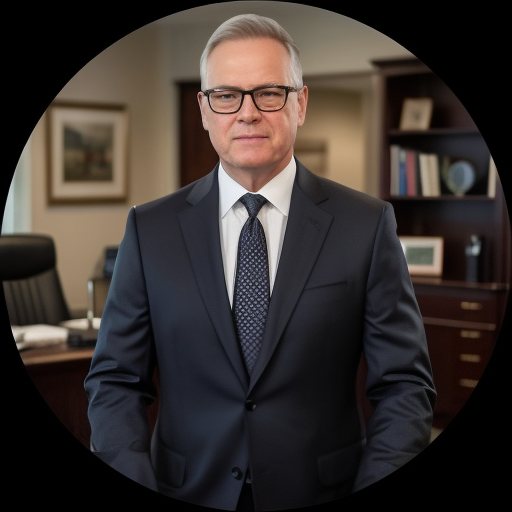
Dr. Edward Varner
Practical guidance for mood and relationship challenges
LPC-MHSP Tennessee
- Experience
- 30 years in practice
- Focus areas
- Relationship, Trauma and abuse, Self esteem
- Approaches
- Cognitive Behavioral Therapy (CBT), Acceptance and Commitment Therapy (ACT)
- Languages
- English, Japanese
About Edward
Dr. Edward Varner offers a straightforward fit for people seeking structured support for mood, trauma, relationship, and identity concerns.
Background and approach
With three decades of clinical practice in Tennessee, he focuses on helping clients manage depression, bipolar symptoms, anxiety, and the emotional fallout from abuse and grief. His work also addresses intimacy-related problems, eating and body-image struggles, parenting and blended-family tensions, and life transitions that require new coping strategies.
He integrates several proven therapeutic methods into personalized care, drawing on cognitive behavioral techniques alongside acceptance and commitment strategies, attachment-informed perspectives, and client-centered listening. This blend supports practical skill building, emotional regulation, and exploration of relational patterns.
Dr. Varner holds the LPC-MHSP credential and conducts sessions in English and Japanese, including options for international clients.
Practical matters such as session format and subscription-based scheduling are adapted to match client needs and availability.
Online approaches that combine skills and connection
Dr. Varner commonly uses Cognitive Behavioral Therapy to help clients identify and change unhelpful thinking and behavior patterns; this approach is useful for depression, anxiety, mood regulation, and practical problem solving. He also incorporates Acceptance and Commitment Therapy, which emphasizes willingness to experience difficult feelings while clarifying personal values and committing to meaningful action. Attachment-Based Therapy informs work on relational patterns and early life influences to improve current relationships and emotional security.Choosing the right approach is a collaborative process. The therapist will discuss your goals, preferences, and life circumstances to determine which methods to emphasize and will adjust the plan over time as needs evolve. Clients are invited to provide feedback so work stays focused and practical.
Online therapy is offered through several flexible formats including video calls, phone sessions, live chat, and text-based messaging. These options allow scheduling around work, family, or travel and make it possible to maintain continuity of care across locations. Licensed professionals can deliver structured, skills-focused therapy remotely while adapting session style to each client's rhythm and needs.
Frequently asked questions
What kinds of problems does this therapist help with?
What is the therapist's general approach in sessions?
How much clinical experience does the therapist have?
Where is the therapist licensed and what credentials are held?
Are sessions offered in other languages or to international clients?
Which session formats are available for online work?
How is pricing handled for therapy sessions?
What are the first steps to begin therapy?
Areas of expertise
Primary focus
Also works with
Additional focus areas
Therapeutic approaches
Experience
30+ years
Licensed
Tennessee
Languages
English, Japanese