
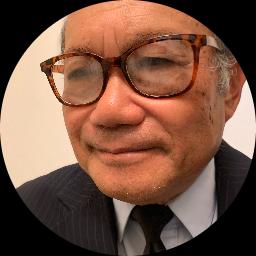
Eugene Yamamoto
Calm, practical guidance for life’s challenges
LCSW California
- Experience
- 30 years in practice
- Focus areas
- Stress, Anxiety, Self esteem, Depression
- Approaches
- Cognitive Behavioral Therapy (CBT), Acceptance and Commitment Therapy (ACT)
- Languages
- English
About Eugene
Eugene Yamamoto is a licensed clinical social worker (LCSW) practicing in California who focuses on helping people navigate stress, anxiety, low self-esteem, depression, and major life transitions.
Background and approach
With three decades of professional experience, he centers his work on the strengths and knowledge each person brings, supporting clients as they build motivation, confidence, and practical coping skills. His approach blends Cognitive Behavioral Therapy (CBT) with acceptance-oriented and attachment-informed methods, adapting strategies to address emotional patterns and relationship concerns.
Eugene also draws on client-centered and dialectical tools to help clients manage intense feelings, improve communication, and work through issues such as body image, codependency, caregiver stress, chronic illness, and commitment or control difficulties.
He welcomes clients who are ready to take an active role in therapy and values collaboration in setting goals and selecting techniques that fit individual needs. Eugene accepts international clients and conducts sessions in English, offering multiple online formats to accommodate varying schedules and preferences.
How evidence-informed approaches translate to online therapy
Many of Eugene's primary methods translate well to virtual care. Cognitive Behavioral Therapy (CBT) focuses on identifying and changing unhelpful thoughts and behaviors, offering practical tools for managing anxiety, low mood, and stress. Acceptance and Commitment Therapy (ACT) helps people clarify personal values and develop acceptance and mindfulness skills to live more meaningfully despite difficult emotions. Attachment-Based Therapy explores relational patterns and how early connections influence current relationships, which can improve communication and emotional regulation in close relationships.Choosing an approach is a collaborative process. Eugene works with clients to assess goals, preferences, and presenting concerns, combining elements from different methods when appropriate so the plan fits each person’s needs rather than applying a single technique uniformly.
Online therapy offers flexibility through video calls, phone sessions, live chat, or text-based messaging, allowing people to engage from varied locations and schedules. These formats make it easier to maintain regular sessions, try skills between meetings, and adapt pacing to real-life demands while working with a licensed professional.
Frequently asked questions
What concerns does Eugene commonly address?
What is his therapeutic style and approach?
How much clinical experience does he have?
What are his credentials and where is he located?
Does he work with non-English or international clients?
In what formats are sessions offered?
How are costs and subscriptions handled?
What steps start the process of working together?
Areas of expertise
Primary focus
Additional focus areas
Therapeutic approaches
Experience
30+ years
Licensed
California
Languages
English