
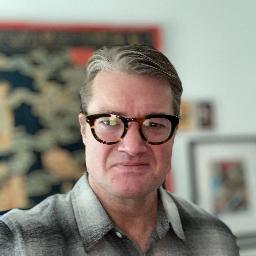
Frank Aldridge
Compassionate clinician blending evidence-based tools
LMHC Washington
- Experience
- 15 years in practice
- Focus areas
- Addictions, Family, Trauma and abuse
- Approaches
- Cognitive Behavioral Therapy (CBT), Acceptance and Commitment Therapy (ACT)
- Languages
- English
About Frank
Frank Aldridge is a Licensed Mental Health Counselor (LMHC) with 15 years of clinical experience. He trained in counseling psychology at the graduate level and began his practice in Texas before relocating to Washington.
Background and approach
Over his career he has worked in outpatient and treatment settings as a therapist and family counselor, and later established a independent practice. His background includes work with anxiety, depression, substance use, trauma, relationship difficulties, life transitions, and feelings of emptiness.
Frank draws from an integrative, person-centered stance that values emotional experience as a source of information. He commonly uses Cognitive Behavioral Therapy alongside mindfulness-based methods and Acceptance and Commitment Therapy to help clients increase awareness, develop coping skills, and make values-aligned changes.
He also incorporates family systems perspectives when relational patterns are central to the presenting concerns. In sessions he emphasizes collaboration, curiosity, and pragmatic strategies aimed at greater clarity and self-direction.
Evidence-Informed Approaches for Online Work
Frank often draws on Cognitive Behavioral Therapy to help clients identify unhelpful thinking patterns and develop practical strategies for managing symptoms like anxiety, depression, and stress. He also uses Acceptance and Commitment Therapy to support values-based action, helping people notice difficult personal experiences while committing to meaningful steps forward.Choosing the right approach is a collaborative process. He works with clients to explore which methods fit their goals, preferences, and life circumstances, adjusting techniques as therapy progresses so the plan reflects what is most helpful for the individual.
Online sessions make it possible to engage in these approaches through video calls, phone sessions, live chat, or text-based messaging. This flexibility can help people maintain continuity of care around work, family, and geographic constraints while accessing structured therapy tools and reflective practices from home or another convenient location.
Frequently asked questions
What kinds of concerns does he address?
How would you describe his therapeutic style?
What is his professional background?
What are his credentials and where is he based?
Does he provide services in languages other than English?
Which session formats are available?
How are sessions paid for and what do they cost?
What steps are involved to begin therapy?
Areas of expertise
Primary focus
Also works with
Additional focus areas
Therapeutic approaches
Experience
15+ years
Licensed
Washington
Languages
English