
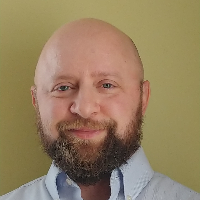
James Rusk
Compassionate, practical therapy for life transitions
LICSW West Virginia
- Experience
- 17 years in practice
- Focus areas
- Stress, Anxiety, Family, Grief
- Approaches
- Cognitive Behavioral Therapy (CBT), Acceptance and Commitment Therapy (ACT)
- Languages
- English
About James
James Rusk is a LICSW practicing in West Virginia who helps people address stress, anxiety, grief, relationship and intimacy concerns, addictions, parenting challenges, career questions, bipolar disorder, depression, and compassion fatigue.
Background and approach
He draws on a mix of evidence-informed approaches to support clients as they navigate life changes, rebuild self-esteem, and manage emotional and interpersonal difficulties. With 17 years of clinical experience, he frames therapeutic work around practical strategies and attention to personal meaning.
Rusk favors a collaborative, client-centered stance that encourages people to explore the stories they tell about their lives and how those narratives shape present experience. He incorporates Cognitive Behavioral Therapy (CBT) techniques alongside Acceptance and Commitment Therapy and mindfulness-influenced practices to help clients notice patterns, shift unhelpful thinking, and take actions aligned with their values.
His style emphasizes partnership, gentle curiosity, and practical skill building rather than prescriptive advice. Clients can expect a thoughtful integration of therapeutic methods aimed at promoting coping and clearer decision making.
Rusk accepts international clients and offers a range of online formats to fit different schedules and preferences.
Approaches That Translate Well Online
CBT focuses on identifying and shifting unhelpful thought patterns and behaviors; it uses practical exercises and skills training to reduce symptoms of anxiety, depression, and mood instability. ACT encourages people to clarify personal values and take committed action while learning to accept difficult internal experiences, which can help with grief, life transitions, and chronic stress.Finding the right approach is part of the therapeutic process, and the therapist works collaboratively with clients to determine which methods fit their needs and goals. Together they explore preferences, try techniques, and adapt the plan as progress and life circumstances evolve, with the client’s experience guiding decisions about emphasis and strategy.
Online formats such as video calls, phone sessions, live chat, and text-based messaging make it easier to fit therapy into busy schedules and to maintain continuity during life changes. These options offer flexibility for different communication styles, allowing clients to engage in real time or asynchronously and to use the format that best supports learning and emotional work.
Frequently asked questions
What concerns does this therapist commonly address?
What is the therapeutic style and approach used?
How much clinical experience does the therapist have?
Where is the therapist licensed and located?
In which languages and client locations can he work?
What session formats are available for meetings?
How are costs and payment arranged?
How does someone begin working with this therapist?
Areas of expertise
Primary focus
Also works with
Therapeutic approaches
Experience
17+ years
Licensed
West Virginia
Languages
English