
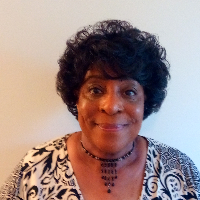
Jeanette Grissom
Compassionate CBT-informed care for practical change
LMHC Indiana
- Experience
- 40 years in practice
- Focus areas
- Stress, Anxiety, Addictions, Trauma and abuse
- Approaches
- Cognitive Behavioral Therapy (CBT), Acceptance and Commitment Therapy (ACT)
- Languages
- English
About Jeanette
Jeanette Grissom brings a practical, wellness-oriented approach grounded in Cognitive Behavioral Therapy (CBT) and complementary methods to her work. With four decades of experience as a licensed mental health counselor in Indiana, she designs individualized treatment plans that respond to each person’s unique circumstances and goals.
Background and approach
Her practice emphasizes skill-building, problem solving, and fostering self-efficacy so people can better manage symptoms and daily challenges. Her background includes extensive work with trauma-impacted individuals and those facing co-occurring mental health and substance use concerns.
Jeanette draws from several evidence-informed approaches, including Acceptance and Commitment Therapy, Dialectical Behavior Therapy, Emotionally-Focused Therapy, and EMDR, to address stress, anxiety, depression, addiction, grief, relationship and communication problems, parenting concerns, mood disorders, and other life transitions. She frames therapy as a collaborative process that blends individual therapy and psycho-educational strategies to promote long-term coping and personal growth.
CBT, ACT and DBT approaches for online support
Cognitive Behavioral Therapy (CBT) focuses on identifying and changing unhelpful thoughts and behaviors to reduce symptoms and improve daily functioning; it is commonly used for anxiety, depression, stress, and many mood-related concerns. Acceptance and Commitment Therapy (ACT) helps people clarify personal values and build psychological flexibility by combining mindfulness with committed action toward meaningful goals. Dialectical Behavior Therapy (DBT) teaches concrete skills for emotion regulation, distress tolerance, interpersonal effectiveness, and can be useful when intense emotions or relationship patterns are present.
Choosing the right approach is part of the therapeutic process. The therapist works collaboratively with each person to evaluate needs, goals, and preferences and then tailors methods from these approaches to fit the individual’s situation rather than relying on a single technique.
Online therapy options include video calls, phone sessions, live chat, and text-based messaging, giving flexibility to fit counseling into varied schedules and lifestyles. These formats make it easier to attend regularly, revisit tools between sessions, and receive ongoing support in ways that complement in-person care for those who prefer remote access.
Frequently asked questions
What concerns does she commonly address?
What is her therapeutic style like?
How much clinical experience does she have?
What are her credentials and license details?
Which languages are available for sessions?
In what formats are sessions offered?
How are fees and payment handled?
What is the first step to begin therapy?
Areas of expertise
Also works with
Additional focus areas
Therapeutic approaches
Experience
40+ years
Licensed
Indiana
Languages
English