
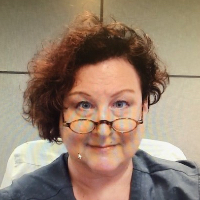
Kim Padula
Practical, strength-based therapy for life transitions
LCSW Tennessee
- Experience
- 26 years in practice
- Focus areas
- Stress, Anxiety, Addictions, Bipolar
- Approaches
- Cognitive Behavioral Therapy (CBT), Client-Centered Therapy
- Languages
- English
About Kim
Kim Padula is a licensed clinical social worker who brings 26 years of experience to helping people navigate stress, anxiety, mood conditions, addiction, grief, relationship and family challenges, and life transitions.
Background and approach
She approaches each person from a strength-based perspective, aiming to recognize resilience as well as vulnerability while helping clients build practical skills and clearer choices in how they respond to life situations.
Her practice blends well-established methods, with an emphasis on Cognitive Behavioral Therapy alongside client-centered and dialectical techniques to address emotional regulation, negative thinking patterns, and coping strategies. Kim describes therapy as a collaborative process: early work focuses on reviewing relevant history and relationships, setting clear objectives, and mapping a plan that can be adjusted as progress unfolds.
Sessions emphasize perspective, accountability, and growth, with the goal of moving beyond insight to actionable change. Kim holds an LCSW and maintains a Tennessee license, drawing on decades of clinical work to guide clients toward improved functioning, self-awareness, and meaningful next steps.
Approaches that translate well to online therapy
Kim uses Cognitive Behavioral Therapy to help clients identify and modify unhelpful thoughts and behaviors; this approach offers structured strategies for anxiety, mood concerns, panic symptoms, and many stress-related problems. She also draws on Client-Centered Therapy, which emphasizes empathy, active listening, and meeting each person where they are to foster self-understanding and personal growth. Dialectical Behavior Therapy techniques are incorporated when emotional regulation, distress tolerance, and interpersonal effectiveness skills are needed.Choosing the right approach is treated as a collaborative process. The therapist works with each client to review history, set objectives, and adjust methods based on needs, goals, and personal preferences so the plan remains practical and responsive over time.
Online sessions are offered via video calls, phone sessions, live chat, or text-based messaging to provide flexibility for different schedules and comfort levels. These options can make it easier to maintain consistency, access support from different locations, and integrate therapeutic work into a busy life while still working with licensed professionals.
Frequently asked questions
What concerns does this therapist address?
How would you describe the therapeutic style and approach?
What is the therapist's background and experience?
Where is the therapist licensed and based?
Are sessions offered in other languages or to international clients?
What session formats are available for working together?
How is cost handled for sessions?
How do I begin working with this therapist?
Areas of expertise
Primary focus
Also works with
Additional focus areas
Therapeutic approaches
Experience
26+ years
Licensed
Tennessee
Languages
English