
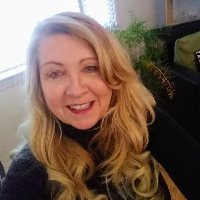
Lynne Peters
Compassionate, practical care for lasting change
MD, LCPC Maryland
- Experience
- 13 years in practice
- Focus areas
- Stress, Anxiety, Addictions, Trauma and abuse
- Approaches
- Cognitive Behavioral Therapy (CBT), Client-Centered Therapy
- Languages
- English
About Lynne
Lynne Peters brings a practical, person-focused approach to helping people manage stress, anxiety, addiction, trauma, low self-esteem, and depression. She frames therapy around the goals a client brings, blending evidence-informed strategies so individuals can build coping skills, improve decision making, and move toward healthier patterns of living.
Background and approach
Lynne’s background in both medical and clinical counseling work informs a balance of compassion and structure in sessions. With 13 years of professional experience, Lynne draws on methods such as cognitive behavioral techniques, dialectical skills, mindfulness practices, and motivational interviewing to tailor care to each client’s needs.
She emphasizes collaborative goal-setting and uses interventions that support practical change while addressing more complex issues like family-of-origin dynamics, addiction concerns, and relationship conflict. Lynne is licensed in Maryland and holds an MD and an LCPC, credentials she uses to guide thoughtful, client-centered work.
Using Practical Therapies Online for Measurable Progress
Many clients benefit from Cognitive Behavioral Therapy because it focuses on identifying and changing unhelpful thoughts and behaviors; in practice this can help with anxiety, depression, and addiction-related patterns. Client-Centered Therapy emphasizes listening and empathy so the client’s own goals and values guide the work, which is useful when building self-esteem and motivation. Dialectical Behavior Therapy combines emotional regulation, distress tolerance, and interpersonal effectiveness skills to help manage intense emotions and improve relationships.Choosing the right approach often happens together. The therapist collaborates with each person to understand their priorities and tries methods that fit those goals, adjusting techniques over time based on what is most helpful. This collaborative process helps refine whether cognitive strategies, skills training, mindfulness, or relational work will best support progress.
Online therapy options include video calls, phone sessions, live chat, and text-based messaging, which can make scheduling more flexible and reduce travel time. These formats allow ongoing work from home or other locations and can support consistent practice of learned skills between sessions.
Frequently asked questions
What concerns does Lynne commonly address in therapy?
What is her therapeutic style and approach?
How long has she been practicing clinically?
What credentials and location should I know about?
Does she offer services in other languages or to international clients?
Which session formats are available with her?
How is cost handled for sessions?
What are the steps to begin working with her?
Areas of expertise
Additional focus areas
Therapeutic approaches
Experience
13+ years
Licensed
Maryland
Languages
English