
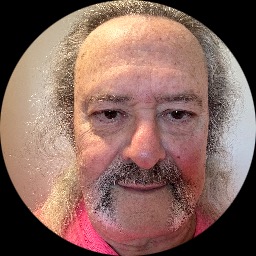
Mark Sikora
Experienced LICSW offering collaborative therapy
LICSW Washington
- Experience
- 40 years in practice
- Focus areas
- Relationship, Family, Trauma and abuse
- Approaches
- Cognitive Behavioral Therapy (CBT), Acceptance and Commitment Therapy (ACT)
- Languages
- English
About Mark
Mark Sikora is a Washington-licensed LICSW with four decades of clinical experience who works with people facing a wide range of concerns from depression and anxiety to relationship and trauma-related issues.
Background and approach
He emphasizes respect for each person's life story and builds on clients' existing strengths to address challenges such as grief, addiction, ADHD, stress, intimacy-related difficulties, and career or parenting concerns.
His practice reflects a practical, client-centered orientation that incorporates several evidence-informed methods, including cognitive behavioral techniques, acceptance and commitment ideas, and relational work influenced by approaches such as DBT and the Gottman Method. Mark views grieving as a dynamic process and attends to the many ways loss and major life changes affect functioning.
He encourages clients to take courageous steps toward greater fulfillment while providing steady support throughout the work. Mark brings experience with complex presentations including bipolar disorder and co-morbid conditions, and he also addresses focused topics like attachment, abandonment, caregiver stress, chronic illness, communication problems, and coping with disasters.
He offers services in English and practices in Washington under the LICSW designation WA LICSW LW 00004500.
Evidence-Informed Approaches for Online Work
Mark uses cognitive behavioral therapy to help clients identify unhelpful thinking and behavior patterns and develop practical strategies to manage symptoms such as anxiety, depression, and stress. Acceptance and Commitment Therapy (ACT) is another approach he draws on to help people clarify values, accept difficult feelings, and commit to meaningful action in the face of life challenges. He also integrates client-centered techniques that prioritize the person's own experience and create a collaborative, respectful space for change.Finding the right mix of methods is treated as a collaborative process. The therapist will work with each person to explore goals, preferences, and how different approaches might fit their situation, adjusting the plan as needs evolve rather than prescribing a single fixed method.
Online sessions are offered via video calls, phone sessions, live chat, or text-based messaging, which can make therapy easier to fit into busy schedules and help maintain continuity when in-person meetings are difficult. These options provide flexibility for people balancing work, family, caregiving, or health concerns while still receiving consistent therapeutic support from a licensed professional.
Frequently asked questions
What kinds of concerns does he address?
What is his general therapeutic style?
How long has he been practicing?
What credentials and location does he hold?
Does he offer services in other languages or to international clients?
Which session formats are available?
How are sessions priced?
What are the steps to begin working with him?
Areas of expertise
Primary focus
Also works with
Additional focus areas
Therapeutic approaches
Experience
40+ years
Licensed
Washington
Languages
English