
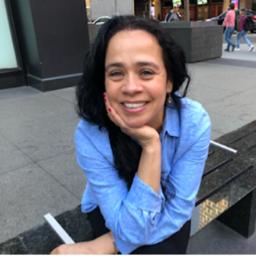
Martha Ayala-Tannis
Experienced LCSW blending practical skills and empathy
LCSW Connecticut
- Experience
- 25 years in practice
- Focus areas
- Relationship, Family, Trauma and abuse
- Approaches
- Cognitive Behavioral Therapy (CBT), Client-Centered Therapy
- Languages
- English
About Martha
Martha Ayala-Tannis brings 25 years of experience in mental health to her practice as an LCSW. She began working in the field in 1997 and has trained in several therapeutic approaches, which she weaves together to meet each person's unique needs.
Background and approach
Christian counseling is available for those who prefer that perspective. Martha's work focuses on relationship concerns, family matters, trauma and abuse, parenting challenges, and coping with life changes.
She draws from client-centered methods to create a respectful, collaborative environment and uses tools from cognitive behavioral therapy and dialectical behavior therapy to help clients develop practical skills for managing emotions and behavior. Motivational interviewing and psychodynamic ideas also inform her understanding of motivation and deeper life patterns.
Based in Connecticut, Martha conducts sessions in English and offers a range of online formats. Her approach emphasizes listening, learning from clients' experiences, and tailoring interventions to individual goals and circumstances.
Integrating evidence-informed approaches in online care
Client-centered therapy emphasizes listening and creating a respectful therapeutic relationship, helping people explore their priorities and feel heard. Cognitive behavioral therapy (CBT) focuses on identifying unhelpful thoughts and patterns, then practicing concrete strategies to reduce distress and change behavior. Dialectical behavior therapy (DBT) offers tools for emotion regulation, distress tolerance, and interpersonal effectiveness, which can support people facing intense emotions or relationship challenges.Selecting the right approach is a collaborative process. The therapist works with each client to clarify goals, preferences, and what feels most useful, adapting methods over time so care aligns with changing needs and priorities.
Online therapy can make participation more flexible by offering video calls, phone sessions, live chat, or text-based messaging. These options allow clients to choose formats that fit their schedules and communication styles, making it easier to maintain continuity of care and practice skills between sessions.
Frequently asked questions
What concerns does she commonly address?
Which therapeutic style will I experience?
How long has she practiced?
What are her credentials and where is she based?
Does she offer services in other languages or to international clients?
What session formats are available?
How are fees and subscriptions handled?
What steps are involved in beginning therapy?
Areas of expertise
Primary focus
Therapeutic approaches
Experience
25+ years
Licensed
Connecticut, New York
Languages
English