
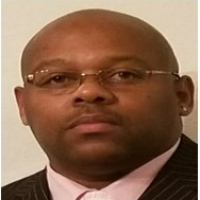
Paul Clark
Calm, practical therapy for life transitions
LICSW, LCSW Virginia
- Experience
- 10 years in practice
- Focus areas
- Stress, Anxiety, Relationship, Family
- Approaches
- Cognitive Behavioral Therapy (CBT), Acceptance and Commitment Therapy (ACT)
- Languages
- English
About Paul
Paul Clark is a licensed clinical social worker practicing in Virginia who focuses on helping people navigate stress, anxiety, grief, depression, relationship struggles, career concerns, and life transitions.
Background and approach
With a decade of clinical experience, he combines a compassionate, straightforward style with practical strategies to address addictions, anger, self-esteem issues, communication problems, guilt and shame, and veteran and armed forces issues.
He trained at Norfolk State University School of Social Work, earning both bachelor’s and master’s degrees in social work, and brings personal insight from a 20-year active duty career as a Chief Petty Officer.
Paul draws from a range of evidence-informed approaches, including cognitive behavioral therapy (CBT), Acceptance and Commitment Therapy (ACT), emotionally-focused work, client-centered techniques, and existential perspectives, tailoring conversations and plans to each person’s needs. Paul aims to collaborate with clients rather than apply stigmatizing labels, emphasizing respect, sensitivity, and pragmatic support.
He seeks to empower clients by building on existing strengths, using therapeutic tools and coaching when useful, and helping them set and reach meaningful goals.
Practical therapy approaches for online care
Cognitive Behavioral Therapy (CBT) focuses on identifying unhelpful thought patterns and testing new behaviors so clients can reduce anxiety, address depression, and manage stress more effectively. Acceptance and Commitment Therapy (ACT) emphasizes values-based action and learning to make room for difficult feelings while pursuing meaningful goals, which can be helpful for grief, shame, and life transitions. Client-Centered Therapy prioritizes a respectful, nonjudgmental therapeutic relationship where the individual's experience guides the work and supports self-directed growth.
Choosing the right approach is a collaborative process. The therapist will explore a client’s goals, preferences, and presenting concerns and will adapt methods from CBT, ACT, or client-centered work as needed to create a tailored plan. This shared process helps ensure techniques align with what a client finds most useful and achievable.
Online sessions are offered via video calls, phone, live chat, or text-based messaging to provide flexibility for different schedules and needs. These formats make it easier to fit regular sessions into busy lives, maintain continuity during transitions, and access licensed professionals from various locations while working toward concrete coping skills and personal goals.
Frequently asked questions
What kinds of concerns does Paul address?
How would you describe his therapeutic approach?
What is his clinical background and experience?
What credentials and location are listed for this therapist?
Does he work with clients who are not in the United States?
Which session formats does he offer for online work?
How are fees and subscriptions handled?
What are the steps to begin working with him?
Areas of expertise
Primary focus
Also works with
Additional focus areas
Therapeutic approaches
Experience
10+ years
Licensed
Virginia, District of Columbia, New Jersey, Arizona
Languages
English