
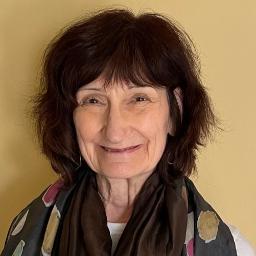
Peggy Winsman
Compassionate LCSW blending skills and practical strategies
LCSW Connecticut
- Experience
- 25 years in practice
- Focus areas
- Stress, Anxiety, Trauma and abuse, Self esteem
- Approaches
- Cognitive Behavioral Therapy (CBT), Client-Centered Therapy
- Languages
- English
About Peggy
Peggy Winsman brings more than 25 years of clinical social work experience to her practice in Connecticut. She draws on a broad background working with people who have faced trauma, depression, anxiety, and challenges adjusting to life transitions.
Background and approach
Peggy pays attention to how physical and medical factors interact with mental health and may include discussions of medical status, nutrition, and activity as part of care when relevant. Her style emphasizes feeling heard and supported, and she practices from a client-centered, trauma-informed, and strength-based perspective.
Peggy integrates evidence-informed methods such as cognitive behavioral techniques, mindfulness practices, and dialectical behavior strategies to help clients develop skills for coping, emotional regulation, and behavior change. Her experience also covers areas like grief, addiction, intimacy concerns, parenting stresses, chronic pain and illness, codependency, dissociation, impulsivity, and smoking or vaping cessation.
Peggy is licensed as an LCSW in Connecticut (CT LCSW 009155) and conducts her work in English. She frames therapy as a collaborative process that adapts to each person’s needs and goals, aiming to create a respectful, practical path forward.
Practical Approaches for Online Care
Peggy often uses cognitive behavioral therapy to help clients identify unhelpful thinking patterns and test new behaviors, which can be useful for anxiety, depression, and coping with life changes. She also incorporates client-centered techniques that prioritize listening, empathy, and collaboration to ensure each person feels understood and respected. Additionally, dialectical behavior therapy skills are brought in when emotional regulation, distress tolerance, or interpersonal effectiveness are important goals.Choosing the right approach is treated as a team effort. She works with clients to explore which methods fit their concerns, goals, and personal preferences, adjusting the plan as progress unfolds so the work remains practical and relevant.
Online formats include video calls, phone sessions, live chat, and text-based messaging, which offer flexibility for fitting therapy into busy schedules and different life circumstances. These options make it easier to maintain continuity of care while using the therapeutic tools and skills practiced in sessions.
Frequently asked questions
What concerns does this therapist commonly address?
What therapeutic style can I expect in sessions?
How much clinical experience does the therapist have?
What are the therapist's credentials and location?
Does she offer services in other languages or to international clients?
Which session formats are available for care?
How are fees and subscriptions handled?
What steps are required to begin therapy?
Areas of expertise
Also works with
Additional focus areas
Therapeutic approaches
Experience
25+ years
Licensed
Connecticut
Languages
English