
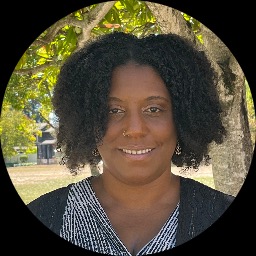
Rhonda Robertson
Compassionate, practical therapy for life’s challenges
LMFT California
- Experience
- 4 years in practice
- Focus areas
- Stress, Anxiety, Addictions, Relationship
- Approaches
- Cognitive Behavioral Therapy (CBT), Acceptance and Commitment Therapy (ACT)
- Languages
- English
About Rhonda
Rhonda Robertson is a California-licensed marriage and family therapist (LMFT) with four years of clinical experience helping people navigate stress, anxiety, addiction, relationship concerns, trauma, and depression.
Background and approach
She frames the initial work around creating a nonjudgmental space where clients can explore their thoughts and feelings, and she emphasizes practical strategies alongside empathic listening. Her practice integrates cognitive behavioral techniques with acceptance-based and client-centered approaches to address a wide range of concerns, including grief, parenting challenges, ADHD, and post-traumatic stress.
She also supports work on abandonment and attachment issues, body image and eating concerns, caregiver stress, codependency, and multicultural or immigration-related difficulties. Rhonda aims to partner with clients to set achievable goals and build skills for coping and recovery.
She invites those ready to begin therapy to take the first step, acknowledging that initiating help requires courage and that progress often comes from consistent, collaborative effort.
Therapeutic approaches and online care
Rhonda often combines cognitive behavioral techniques and acceptance and commitment strategies to help clients manage symptoms and build more workable habits. CBT focuses on identifying and changing unhelpful thinking and behavior patterns to reduce distress and improve daily functioning, which can be useful for anxiety, depression, and many stress-related problems. Acceptance and Commitment Therapy encourages noticing difficult thoughts and feelings while clarifying personal values and taking committed action, which can support recovery from grief, addiction, and trauma.Finding the right approach is a collaborative process. She works with each person to explore which methods fit their needs, goals, and preferences, adjusting techniques over time as progress and feedback indicate what is most helpful.
Online therapy offers practical flexibility through video calls, phone sessions, live chat, and text-based messaging, making it easier to schedule care around work, family, and other commitments. These options allow consistent contact, goal tracking, and timely support between sessions, which can help clients maintain momentum and apply skills in everyday life.
Frequently asked questions
What concerns can be addressed in sessions?
What is the general therapeutic approach or style?
How much clinical experience does the therapist have?
What credentials and location apply to this therapist?
Can sessions be conducted in languages other than English?
Which session formats are available?
How is cost handled for sessions?
What are the steps to begin working together?
Areas of expertise
Primary focus
Additional focus areas
Therapeutic approaches
Experience
4+ years
Licensed
California
Languages
English