
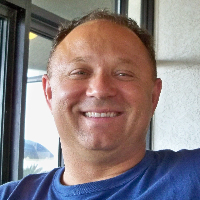
Robert Abeyta
Experienced counselor blending CBT and compassion
LPC Georgia
- Experience
- 19 years in practice
- Focus areas
- Relationship, Trauma and abuse, Parenting
- Approaches
- Cognitive Behavioral Therapy (CBT), Dialectical Behavior Therapy (DBT)
- Languages
- English
About Robert
Robert Abeyta is a licensed professional counselor (LPC) in Georgia who draws on nearly two decades of clinical experience to help people navigate emotional and life challenges.
Background and approach
He uses cognitive behavioral therapy as a central framework and integrates other approaches to address concerns such as depression, anxiety, relationship and intimacy issues, trauma and abuse, parenting difficulties, addiction, and identity-related matters including LGBT and gender dysphoria. His practice also encompasses work with grief, self-esteem, eating and anger issues, bipolar disorder, and career transitions.
Abeyta emphasizes a warm, interactive style that treats each person with respect and compassion while avoiding stigmatizing labels. He adapts dialogue and treatment planning to the needs of the individual, incorporating elements of mindfulness, motivational interviewing, DBT skills, and solution-focused strategies when helpful.
Over his 19 years in practice he has supported clients dealing with family-of-origin concerns, adoption and foster-care questions, attachment and communication problems, substance-related struggles, and the emotional impacts of immigration or abandonment. Clients seeking practical skills and thoughtful reflection can expect collaborative care that balances problem-focused interventions with attention to personal values and coping strengths.
CBT, DBT, Mindfulness Applied Online
Robert Abeyta frequently uses cognitive behavioral therapy to help clients identify and shift unhelpful thinking patterns and build practical coping skills for issues like anxiety, depression, and stress. He also draws on dialectical behavior therapy techniques to teach emotion regulation, distress tolerance, and interpersonal effectiveness skills that are useful for intense emotions and relationship conflicts. Mindfulness-based practices are incorporated to increase present-moment awareness, reduce reactivity, and support self-compassion when navigating grief, trauma, or life transitions.Choosing an approach is a collaborative process. The therapist will work with each person to explore goals, preferences, and what feels most helpful, blending methods as needed so the plan aligns with the client’s needs and values rather than relying on a single model.
Online sessions are offered via video calls, phone sessions, live chat, or text-based messaging to provide flexibility for different schedules and comfort levels. These formats make it easier to attend regularly, practice skills between sessions, and maintain continuity of care when life circumstances make in-person appointments difficult.
Frequently asked questions
What kinds of concerns does he address?
How would you describe his therapeutic style?
What is his clinical background and experience?
Where is he licensed to practice?
Does he offer services in other languages or to international clients?
What session formats are available for working with him?
How are fees and payment handled?
How do I begin a counseling relationship with him?
Areas of expertise
Primary focus
Also works with
Additional focus areas
Therapeutic approaches
Experience
19+ years
Licensed
Georgia
Languages
English