
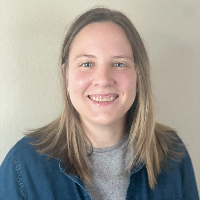
Sarah Platzer
An approachable LCSW focused on practical strategies
LCSW Wisconsin
- Experience
- 4 years in practice
- Focus areas
- Stress, Anxiety, Depression, LGBT
- Approaches
- Cognitive Behavioral Therapy (CBT), Dialectical Behavior Therapy (DBT)
- Languages
- English
About Sarah
Sarah Platzer is a Licensed Clinical Social Worker (LCSW) practicing in Wisconsin who supports people coping with stress, anxiety, depression, grief, relationship difficulties, parenting challenges, compassion fatigue, ADHD, and concerns related to sexuality and identity.
Background and approach
She also addresses family problems, isolation and loneliness, mood and personality disorders, self-harm, and self-esteem struggles. Her work emphasizes practical strategies for managing intense emotions and improving everyday functioning.
Platzer draws on cognitive behavioral approaches alongside skills-based interventions to help clients identify unhelpful patterns and build healthier coping habits. She also incorporates elements of dialectical behavior therapy and motivational interviewing when useful, aiming to tailor interventions to each person’s needs and readiness for change.
With a personable, warm manner she encourages openness and uses gentle humor to help ease difficult conversations. Clients can expect a collaborative process that balances empathy with structured tools for change.
Platzer’s background includes clinical work in behavioral health and outpatient settings, and she brings four years of experience as an LCSW to her online practice in Wisconsin.
Therapeutic Approaches and Online Flexibility
Sarah uses evidence-informed methods to help clients develop skills and make practical changes. Cognitive Behavioral Therapy (CBT) focuses on identifying and shifting unhelpful thoughts and behaviors to reduce symptoms of anxiety, depression, and stress. Dialectical Behavior Therapy (DBT) provides concrete skills in emotion regulation, distress tolerance, and interpersonal effectiveness to manage intense emotions and improve relationships. Motivational Interviewing helps clarify personal values and increase readiness for change through collaborative, goal-centered conversations.Finding the right approach is part of the therapeutic journey, and the therapist works collaboratively to match methods to a client’s needs, goals, and preferences. Together they evaluate what techniques are most helpful and adjust the plan over time to support progress and real-world coping.
Online sessions are offered via video calls, phone sessions, live chat, or text-based messaging to enhance accessibility and fit therapy into varied schedules. These options can make it easier to maintain continuity of care while balancing work, family, and other responsibilities, and they allow the therapist to deliver structured, skills-based interventions in formats that suit each client.
Frequently asked questions
What concerns does this therapist commonly address?
What is the therapeutic style and approach used?
How much clinical experience does she have?
What are her credentials and where is she licensed?
Are sessions offered in other languages or to international clients?
In what formats are sessions available?
How is cost handled for therapy with this clinician?
What are the steps to begin working together?
Areas of expertise
Primary focus
Also works with
Additional focus areas
Therapeutic approaches
Experience
4+ years
Licensed
Wisconsin
Languages
English