
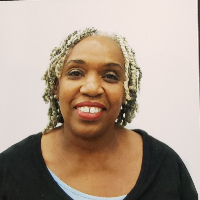
Sharon Sumler
Compassionate therapist focused on practical change
LMSW Michigan
- Experience
- 20 years in practice
- Focus areas
- Stress, Anxiety, Addictions, Relationship
- Approaches
- Cognitive Behavioral Therapy (CBT), Client-Centered Therapy
- Languages
- English
About Sharon
Sharon Sumler is a Licensed Master Social Worker (LMSW) based in Michigan with two decades of clinical experience. She emphasizes practical, collaborative care for people facing stress, anxiety, depression, relationship difficulties, addiction concerns, trauma, grief, parenting challenges, and a range of mood and adjustment issues.
Background and approach
Sharon draws on familiar, evidence-informed methods such as Cognitive Behavioral Therapy (CBT), Dialectical Behavior Therapy (DBT), and client-centered approaches to help clients build coping skills and address patterns that get in the way of healthier functioning.
Her practice blends a focus on present-day problem solving with attention to personal values and strengths, supporting clients through life transitions, career struggles, intimacy concerns, and complex emotional experiences.
With a background working across many clinical areas and an emphasis on collaborative goal setting, she aims to create a respectful space where clients can explore change, practice new strategies, and track measurable progress. Sharon brings empathy shaped by long experience and a straightforward style intended to guide clients toward more adaptive ways of living and relating.
Therapeutic approaches and online care that fit your life
Sharon commonly uses Cognitive Behavioral Therapy (CBT), which focuses on identifying unhelpful thoughts and behaviors and teaching practical skills to change them; CBT is often used for anxiety, depression, stress, and many day-to-day challenges. She also incorporates client-centered therapy, an approach that prioritizes empathy, active listening, and the client's own goals so the person feels heard and supported while exploring change. When appropriate, elements of Dialectical Behavior Therapy (DBT) may be used to build emotion regulation, distress tolerance, and interpersonal effectiveness skills for strong emotional reactions and relationship issues.Choosing the right approach is a collaborative process. The therapist works with clients to clarify goals, assess what feels useful, and adapt methods over time so the plan fits the person's needs and preferences rather than following a one-size-fits-all script.
Online sessions are offered via video calls, phone sessions, live chat, or text-based messaging to make therapy accessible around schedules and locations. These formats allow for flexible scheduling, support between appointments through messaging when appropriate, and the convenience of meeting from wherever the client is located within the therapist's service area.
Frequently asked questions
What concerns does she commonly help with?
What kind of therapeutic approach can I expect?
How much clinical experience does the therapist have?
Where is the therapist licensed and located?
In what languages are sessions offered?
What session formats are available?
How is pricing handled for sessions?
What is the process for beginning therapy?
Areas of expertise
Primary focus
Also works with
Additional focus areas
Therapeutic approaches
Experience
20+ years
Licensed
Michigan
Languages
English