
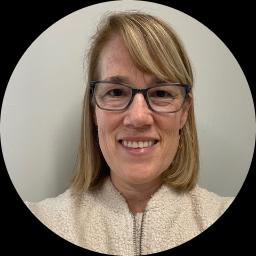
Sonya Drottar
Compassionate guidance for practical change
LCSW California
- Experience
- 25 years in practice
- Focus areas
- Stress, Anxiety, Family, Parenting
- Approaches
- Cognitive Behavioral Therapy (CBT), Acceptance and Commitment Therapy (ACT)
- Languages
- English
About Sonya
Sonya Drottar is a California-licensed clinical social worker (LCSW) with 25 years of professional experience supporting people through transitions, stress, and anxiety. She draws on a range of evidence-informed methods to help clients address relationship and family concerns, parenting challenges, grief, compassion fatigue, and struggles with addiction.
Background and approach
Her practice also focuses on issues such as chronic illness and pain, caregiver stress, attachment and blended family dynamics, communication and commitment problems, and recovery from trauma and abuse. Sonya creates an accepting, nonjudgmental space where clients can explore difficult thoughts and feelings and work toward practical change.
She blends cognitive behavioral techniques with acceptance-based and client-centered approaches, using mindfulness and motivational interviewing to help clients clarify values, build coping skills, and take manageable steps forward. Clients who prefer flexible, collaborative care will find an emphasis on tailoring strategies to each person’s needs and goals.
Practical approaches for online care and coping
Cognitive Behavioral Therapy (CBT) helps identify unhelpful thinking patterns and teaches concrete strategies to change reactions and behaviors; it is often used to reduce anxiety, manage stress, and address relationship or coping difficulties. Acceptance and Commitment Therapy (ACT) focuses on clarifying personal values and accepting difficult internal experiences while committing to meaningful action, which can be useful for grief, chronic pain, and life transitions. Client-Centered Therapy emphasizes a warm, nonjudgmental therapeutic relationship where the client’s perspective guides the pace and focus of work, supporting people who need empathy and space to process difficult emotions.
Determining which approach feels most useful is part of the collaborative process. The therapist will work with each person to understand their goals, preferences, and life context, and tailor methods accordingly rather than applying a single fixed technique. This shared decision-making helps ensure the plan fits the client’s needs.
Online sessions offer flexibility through video calls, phone sessions, live chat, or text-based messaging, making it easier to fit therapy into busy schedules or maintain continuity during life changes. These formats let licensed professionals provide regular, accessible support while adapting pace and contact style to what works best for each client.
Frequently asked questions
What concerns does this therapist address?
How would you describe the therapeutic style used?
What is the therapist's professional background?
What credentials and location are listed?
Can people who live outside the United States work with this therapist?
Which session formats are available?
How is payment handled and what does it cost?
What are the steps to begin working together?
Areas of expertise
Primary focus
Also works with
Additional focus areas
Therapeutic approaches
Experience
25+ years
Licensed
California
Languages
English