
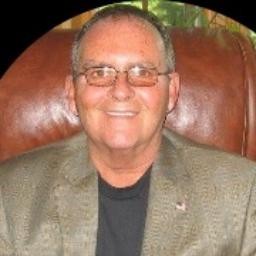
Dr. Thomas Mackarevich
Calm, practical care for emotional control
LCSW New Jersey
- Experience
- 35 years in practice
- Focus areas
- Stress, Anxiety, Addictions, Trauma and abuse
- Approaches
- Cognitive Behavioral Therapy (CBT), Client-Centered Therapy
- Languages
- English
About Thomas
Dr. Thomas Mackarevich helps people who are weighed down by persistent stress, anxiety, addiction, traumatic memories, anger, low self-esteem, and grief find clearer ways to manage their emotions and daily challenges.
Background and approach
With a direct belief in personal responsibility for emotional and behavioral change, he supports clients in shifting patterns that keep them stuck and in building skills to increase calm and resilience. He draws on a mix of cognitive-behavioral methods and client-centered principles, combining evidence-informed techniques with validation and empathic, compassionate but straightforward feedback.
This blend aims to help clients recognize how thoughts shape feelings and behaviors while also honoring the person’s experience and strengths. Dr.
Mackarevich brings 35 years of clinical practice as an LCSW in New Jersey, and he has worked extensively with people confronting addictions, trauma and abuse, chronic illness and caregiving stress, and a range of personality and attachment-related concerns. Sessions focus on practical skill-building, clearer communication, and problem-solving tailored to each person’s goals.
His approach emphasizes collaboration, steady encouragement, and measurable steps toward greater emotional control and life satisfaction.
Approaches for Online Change and Emotional Skills
Dr. Mackarevich uses Cognitive Behavioral Therapy to help people understand how thoughts influence feelings and behaviors; in online sessions this often translates into practical exercises and thought-restructuring strategies to reduce anxiety, manage anger, and address addictive patterns. He also integrates Client-Centered Therapy, providing empathic listening and validation so clients feel heard while exploring their goals and building coping skills.Deciding which approach to emphasize is a collaborative process. The therapist works with each person to identify goals, preferences, and the strategies that feel most useful, adjusting methods over time to match progress and changing needs.
Online formats including video calls, phone sessions, live chat, and text-based messaging offer flexibility for different rhythms of life and communication styles. These options make it easier to fit regular work on stress, grief, trauma recovery, or habit change into a busy schedule, and they allow licensed professionals to use worksheets, skill practice, and focused conversations in ways that suit the individual client.
Frequently asked questions
What kinds of concerns does he help with?
What is his therapeutic style like?
How long has he practiced clinically?
What credentials and location are listed?
Can sessions be conducted in other languages?
Which session formats are available?
How are costs and subscriptions handled?
What are the first steps to begin therapy?
Areas of expertise
Primary focus
Also works with
Additional focus areas
Therapeutic approaches
Experience
35+ years
Licensed
New Jersey
Languages
English