Find CBT Therapists in Iowa
Welcome to our directory of Iowa therapists who list Cognitive Behavioral Therapy among their clinical approaches. Each profile shows a licensed clinician and the ways they work with CBT - explore listings to find a good match for your needs.














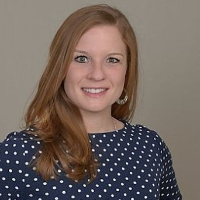



Kristilee (Kristi) Cappaert
LCSW, LISWIowa
- 5 yrs exp
Stress, Anxiety · Relationship · Family · +11
View Profile




Overview of CBT availability in Iowa
In Iowa, many licensed mental health clinicians list Cognitive Behavioral Therapy among their clinical approaches, reflecting growing interest in structured, evidence-informed methods across the state. Whether you live in Des Moines, Iowa City, Cedar Rapids, or a more rural county, you will likely find clinicians who work with CBT techniques and offer sessions online. Online practice has broadened where and how CBT is delivered, allowing you to connect with clinicians who emphasize goal-oriented work, skill development, and measurable progress. While each clinician's background and focus vary, the profiles in this directory make it easier to identify practitioners who work with CBT so you can learn more about their experience and the populations they serve.
Because the directory lists clinicians who include CBT in their approach, it is important that you ask about a therapist's specific experience, methods, and professional background. Some clinicians integrate CBT with complementary methods when appropriate, while others use CBT as the central framework for treatment. You can use the listings to compare focus areas, credentials, languages spoken, and clinical interests so you can narrow down who to contact and ask more detailed questions about their practice and approach.
Benefits of online CBT for Iowa residents
Online CBT brings practical advantages for people across Iowa. You can reduce travel time and access clinicians outside your immediate area, which can be especially helpful if you live in a rural county where in-person options are limited. Online sessions let you schedule therapy around work, school, and family obligations, and they make it possible to continue working with a clinician if you move within the state. The structured nature of CBT - with goal setting, agenda-driven sessions, and practice assignments between appointments - translates well to an online format and can help you maintain momentum between meetings.
When you choose online CBT, consider how the format will fit your routines. Some people find that virtual sessions are more convenient and enable them to be consistent with weekly or biweekly work, while others prefer occasional in-person meetings for certain phases of care. You should ask each clinician about their experience delivering CBT online, how they handle session materials and homework, and what kind of technology and privacy protections they use. Clarifying these details can help you decide whether a remote approach will support the kind of structured, skills-based work typical of CBT.
Common conditions CBT therapists in Iowa treat
Cognitive Behavioral Therapy is applied to a wide range of concerns, and clinicians in Iowa often list CBT among the approaches they use for anxiety, depression, obsessive-compulsive symptoms, trauma-related distress, and stress management. You will also find clinicians who work with CBT-informed strategies for panic, social anxiety, health-related anxiety, phobias, and difficulties with sleep. For some people, CBT is used to address patterns of avoidance, ruminative thinking, or behaviors that interfere with daily functioning and relationships.
If you are searching for help with a specific issue, look for clinicians who describe relevant focus areas in their profiles and ask about their experience applying CBT techniques to that concern. Some clinicians specialize in age-specific work such as CBT with children and adolescents, while others focus on adult or older-adult populations. You may also find clinicians who adapt CBT for co-occurring issues, such as substance-related concerns or chronic health conditions, by combining behavioral strategies with cognitive and problem-solving techniques. Asking about typical session structure, homework expectations, and outcome goals will help you understand how a clinician applies CBT to the problem you want to address.
How the structured nature of CBT works well in an online format
CBT is often organized around clear goals, measurable progress, and active skill building, which makes it well suited to remote delivery. In an online CBT session, you can expect an agenda or plan for what you will cover, collaborative goal setting with your clinician, and specific techniques such as cognitive restructuring, behavioral experiments, exposure tasks, and activity scheduling. These elements can be shared and tracked digitally, allowing you and your clinician to review worksheets, thought records, and homework assignments between sessions. The visible structure of CBT can help you stay focused and accountable whether you meet in person or virtually.
Because CBT places emphasis on practice between sessions, online formats can support that homework through email, supported practice platforms, or shared documents that help you record progress. When you talk with a prospective clinician, ask how they manage between-session work, how they measure progress, and how frequently they reassess goals. You should also discuss session length and frequency, since some CBT work benefits from short-term, intensive blocks while other goals require a longer pace. Understanding how a clinician structures online CBT will help you decide if their approach matches your expectations for active, outcome-oriented therapy.
How to verify a therapist's license in Iowa
Before beginning work with any clinician, it is wise to verify their license and professional standing. You can start by asking the clinician for their license type and license number, then use the Iowa licensing board's online licensure lookup tools to confirm the license is active and to review any public disciplinary records. If you prefer, you can call the licensing board directly to ask about a clinician's credentials and status. License lookup tools typically show the license type, expiration date, and whether any sanctions or public complaints are on file, which helps you make an informed choice.
Licensure terminology varies across disciplines, so take note of the clinician's credential and make sure it matches the services you expect. You can also ask clinicians about their graduate training, supervised experience, continuing education, and specific experience working with CBT. The directory indicates that these clinicians list CBT among their clinical approaches, but it does not certify the extent of their experience, so asking direct questions is an important step in your search. If anything in a profile seems unclear, you can request clarification about licensure, scope of practice, and professional background before scheduling an initial meeting.
Tips for choosing the right CBT therapist in Iowa
Choosing a clinician who lists CBT among their approaches involves both practical and personal considerations. Start by identifying what matters most to you - whether it is a clinician who focuses on a specific issue, someone who works with a particular age group, or a practitioner who speaks your language or shares cultural understanding. Read profile descriptions to identify clinicians whose stated focus areas and clinical approaches align with your goals, and then reach out to ask specific questions about how they use CBT, typical session structure, and what kinds of between-session practice they recommend.
When you contact a clinician, consider asking about their experience with online CBT, what a typical course of therapy might look like, and how they measure progress. You might also inquire about session logistics such as length, frequency, fees, and any sliding scale options if that is relevant to you. Think about how you prefer to work - some people want structured homework and frequent check-ins, while others prefer a more flexible pace. Trust your impressions from an initial conversation; feeling heard and understood at the outset is an important part of building a productive therapeutic relationship. Finally, remember that you can ask clinicians for clarification about their approach and experience, and verifying licensure through official channels helps ensure the clinician is authorized to practice in Iowa.
Next steps
If you are ready to begin, use the profiles on this page to review clinicians who list CBT among their approaches and identify a few whose credentials and focus areas match your needs. Prepare a short list of questions about training, online practice, and typical CBT tools they use so you can compare responses and choose a clinician whose approach feels like a fit. Verifying licensure through the state's lookup tools and asking direct questions about experience will help you make an informed decision about who to contact for an initial consultation.
Browse Specialties in Iowa
Mental Health Conditions (20 have therapists)
Addictions
7455 therapists
ADHD
6711 therapists
Anger
9281 therapists
Bipolar
6589 therapists
Depression
12849 therapists
Eating Disorders
2892 therapists
Grief
10265 therapists
Guilt and Shame
9013 therapists
Impulsivity
5183 therapists
Isolation / Loneliness
8366 therapists
Mood Disorders
7355 therapists
OCD
3484 therapists
Panic Disorder and Panic Attacks
6347 therapists
Phobias
2452 therapists
Post-Traumatic Stress
7789 therapists
Self Esteem
12541 therapists
Self-Harm
3677 therapists
Social Anxiety and Phobia
8152 therapists
Stress & Anxiety
13723 therapists
Trauma and Abuse
10862 therapists