
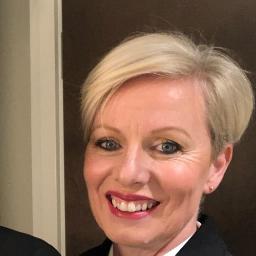
Alison Siepker
Evidence-informed care with compassionate collaboration
LCSW North Carolina
- Experience
- 15 years in practice
- Focus areas
- Stress, Anxiety, Trauma and abuse, Depression
- Approaches
- Cognitive Behavioral Therapy (CBT), Acceptance and Commitment Therapy (ACT)
- Languages
- English
About Alison
Alison Siepker is a licensed clinical social worker who blends practical, evidence-informed strategies with a compassionate, person-centered stance.
Background and approach
With 15 years of clinical practice in North Carolina, she draws on approaches such as Cognitive Behavioral Therapy (CBT), Acceptance and Commitment Therapy (ACT), Dialectical Behavior Therapy (DBT), and Motivational Interviewing to address stress, anxiety, trauma, depression, and life transitions.
She aims to tailor conversations and treatment plans to each person's needs while helping clients build actionable skills for managing emotions, relationships, and everyday challenges.
Her practice also attends to concerns that often accompany major life changes or identity questions, including grief, compassion fatigue, career and life purpose exploration, body image, and issues related to adoption, abandonment, or family dynamics. Alison foregrounds respect and sensitivity in her work and supports people navigating addiction, relationship difficulties, sleep problems, anger, and self-esteem concerns.
She frames seeking help as a courageous step and positions herself as a collaborator who helps clients identify goals and practical steps toward greater resilience and well-being.
Therapeutic approaches and online access
Alison often uses Cognitive Behavioral Therapy to help people identify unhelpful thinking patterns and develop practical strategies to change behaviors and reduce symptoms of anxiety, depression, and stress. She also uses Acceptance and Commitment Therapy, which focuses on clarifying values and learning willingness skills to live a meaningful life despite difficult thoughts or feelings. Client-Centered Therapy informs her approach as well, emphasizing empathy, active listening, and collaborative goal-setting so the client feels heard and respected.Finding the right approach is treated as a collaborative process. The therapist will talk with each person about their goals, preferences, and needs, and together they will experiment with techniques and adjust the plan to find what fits best for the individual.
Online therapy options include video calls, phone sessions, live chat, and text-based messaging, offering flexibility for people with busy schedules or limited local options. These formats make it possible to continue regular sessions from different locations and to use shorter check-ins or longer calls depending on what the client and therapist decide works best.
Frequently asked questions
What types of concerns does Alison commonly help with?
What is her therapeutic style and approach?
How much clinical experience does she have?
What credentials and location are listed for this therapist?
Does she provide services in other languages or to international clients?
In which formats are sessions offered?
How is pricing handled for sessions?
What are the first steps to begin working together?
Areas of expertise
Also works with
Additional focus areas
Therapeutic approaches
Experience
15+ years
Licensed
North Carolina
Languages
English