
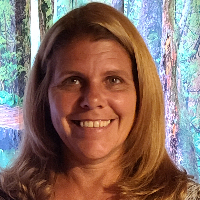
Amanda Polk
Practical CBT and trauma-informed support
LISW-CP South Carolina
- Experience
- 10 years in practice
- Focus areas
- Stress, Anxiety, Relationship, Family
- Approaches
- Cognitive Behavioral Therapy (CBT), Client-Centered Therapy
- Languages
- English
About Amanda
Amanda Polk is a licensed social worker who uses Cognitive Behavioral Therapy as a core part of her clinical work to help clients identify patterns of thinking and behavior that contribute to distress.
Background and approach
She holds the LISW-CP credential and brings ten years of professional experience in mental health to her practice, combining evidence-based strategies with a collaborative, goal-focused stance.
Amanda focuses on issues such as stress, anxiety, relationship and family concerns, trauma and abuse, and depression, and she also addresses related challenges including mood and personality disorders, panic attacks, phobias, self-harm, and struggles with guilt and shame.
Her approach blends CBT with client-centered techniques, DBT skills, mindfulness, and trauma-focused interventions so treatment can be tailored to each person’s needs. Clients can expect work that balances practical skill-building with attention to personal values and goals.
Amanda aims to help people develop clearer thinking, more effective emotion regulation, and improved interpersonal functioning through structured interventions and reflective support.
Online approaches grounded in CBT and trauma-informed care
Cognitive Behavioral Therapy (CBT) is a structured approach that helps people notice and change unhelpful thinking and behavior patterns; it is often used for anxiety, depression, panic, phobias, and mood concerns. Trauma-Focused Therapy concentrates on processing traumatic experiences and reducing their ongoing impact through targeted techniques that support recovery from post-traumatic stress and abuse-related difficulties. Dialectical Behavior Therapy (DBT) contributes practical emotion regulation, distress tolerance, and interpersonal effectiveness skills useful for managing intense emotions and improving relationships.
Finding the right approach is collaborative: Amanda works with clients to evaluate symptoms, preferences, and goals so treatment can be adjusted over time. She combines skill teaching and reflective work so clients can practice tools between sessions and refine the plan as needs change.
Online therapy with Amanda uses video calls, phone sessions, live chat, or text-based messaging to increase flexibility and access. These formats make it easier to fit therapy into busy schedules, maintain continuity when travel or relocation occurs, and allow people to engage in care from locations that are convenient for them. Licensed professionals can tailor the methods and session style to best match each client’s situation and goals.
Frequently asked questions
What concerns does Amanda commonly address?
What is her therapeutic approach and style?
How much clinical experience does she have?
What are her credentials and where is she based?
Does she work with clients who live outside the United States?
In what formats are sessions offered?
How is pricing handled for sessions?
What steps are required to begin therapy?
Areas of expertise
Primary focus
Additional focus areas
Therapeutic approaches
Experience
10+ years
Licensed
South Carolina
Languages
English