Find CBT Therapists in South Carolina
Welcome to our directory for people seeking CBT-oriented care in South Carolina. Every clinician listed is licensed and lists Cognitive Behavioral Therapy among their clinical approaches. Explore the profiles below to review each therapist's focus, credentials, languages, and experience.
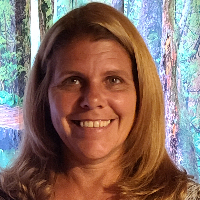

L M (Loretta) Hartley-Bangs
LISW-CPSouth Carolina
- 36 yrs exp
Stress, Anxiety · Addictions · Family · +4
View Profile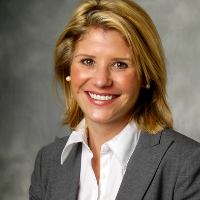
Stephanie Greene
LISWSouth Carolina
- 20 yrs exp
Stress, Anxiety · Relationship · Eating · +11
View Profile






Frances Patton
LMFTSouth Carolina
- 13 yrs exp
Stress, Anxiety · Relationship · Intimacy-related issues · +10
View Profile
Dr. LaShonda Smith
SC Psychologist 830South Carolina
- 21 yrs exp
Stress, Anxiety · Relationship · Self esteem · +7
View Profile
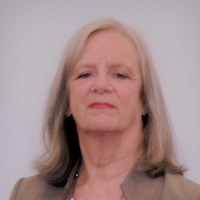
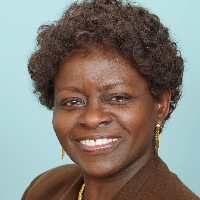

Allison Nitschke
LPC, LCMHCSouth Carolina
- 21 yrs exp
Relationship · Grief · Parenting · +15
View Profile





Dr. Nicole Ford
LPC, LCPCSouth Carolina
- 15 yrs exp
Stress, Anxiety · Trauma and abuse · Self esteem · +8
View Profile
Johnnie Terrell
LCSW, LISW-CPSouth Carolina
- 5 yrs exp
Stress, Anxiety · Relationship · Trauma and abuse · +2
View Profile

Overview of CBT availability in South Carolina
If you are exploring Cognitive Behavioral Therapy in South Carolina, you will find therapists who work with CBT across urban and rural communities. Many clinicians list CBT among their approaches because it is structured, goal-oriented, and adaptable to a range of presenting concerns. Online delivery has expanded the ways you can connect with therapists who work with CBT, so you can focus on identifying practitioners whose experience and professional background fit your needs rather than limiting your search to a single clinic or commute.
When you look at therapist profiles in the state, focus on the specific ways they describe their use of CBT. Some therapists emphasize behavioral interventions and exposure work, while others highlight cognitive restructuring, problem solving, or techniques for managing intrusive thoughts. Profiles often note related modalities and populations served. Because the directory lists clinicians who include CBT among their approaches, you should plan to ask about their specific experience with the tools and strategies you anticipate needing most.
How online access intersects with local practice
Online sessions can bridge distances within South Carolina so you can work with therapists whose clinical focus aligns with your goals. Licensing requirements still govern practice, so clinicians list their state licensure and credentials on their profiles. Use that information as a starting point for questions about scope of practice and the settings in which they offer CBT-based work.
Benefits of online CBT for South Carolina residents
Online Cognitive Behavioral Therapy preserves the core elements of CBT while offering flexibility in how and where you participate. Because CBT is generally structured and time-limited, the treatment components translate well to scheduled video sessions and focused homework between meetings. You can practice skills in your everyday environment and then discuss challenges and progress with the clinician during the next session. That immediate linkage between practice and feedback is one of the strengths of CBT delivered remotely.
For you, online sessions reduce travel time and make it easier to fit therapy into a busy schedule. If you live outside a metropolitan area, online CBT can increase the pool of clinicians who list relevant experience, allowing you to prioritize fit - such as a therapist's emphasis on exposure work for anxiety or activity scheduling for depression - rather than proximity alone. The structured approach of CBT also supports measurable progress; many therapists who work with CBT use brief assessments and goal tracking so you can see change over time.
Practical considerations for online sessions
Think about how you want to engage between sessions, since CBT often involves practice assignments. Discuss with potential clinicians whether they use worksheets, readings, audio guides, or digital tools to support between-session learning. Ask how they typically pace skills training and what level of between-session commitment they think will be useful for your goals.
Common conditions CBT therapists in South Carolina address
Cognitive Behavioral Therapy is commonly used to address anxiety disorders, including generalized anxiety, panic, social anxiety, and specific phobias. Therapists who list CBT among their approaches also frequently work with obsessive-compulsive patterns, helping you learn exposure and response prevention strategies and cognitive techniques for managing intrusive thoughts. For mood concerns such as depression, CBT emphasizes activity scheduling, behavioral activation, and cognitive restructuring to help you identify and change patterns that maintain low mood.
Beyond anxiety and depression, clinicians who work with CBT often apply its principles to insomnia, chronic stress, health-related behavior change, and management of chronic pain. CBT approaches are adaptable to a wide variety of symptoms because they focus on the links between thoughts, feelings, and behavior, and on practical skill-building. If you are dealing with trauma-related symptoms, some therapists combine CBT strategies with trauma-focused techniques; it is reasonable to ask how they integrate approaches and whether they use specific protocols for post-traumatic stress.
What to expect in the course of CBT work
Expect an initial assessment that clarifies your goals and identifies target problems. CBT usually involves collaboratively set goals, a clear plan for sessions, and homework assignments to practice skills. You should feel able to discuss how progress will be measured and what a typical course of work might look like for your concerns.
How the structured nature of CBT fits the online format
The structure of CBT - with clear agendas, measurable goals, and skill-focused practice - aligns well with telehealth. Online sessions can follow the same routines as in-person work: review of progress, agenda-setting, focused intervention, and assignment of practice tasks. That predictability can help you feel oriented in each session and make it easier to translate in-session learning into real-world behavior between meetings.
Therapists who use CBT often employ worksheets, behavioral experiments, thought records, and exposure hierarchies. These tools can be shared digitally during sessions or sent afterward for you to use offline. Because CBT emphasizes between-session practice, remote delivery can offer advantages by allowing you to immediately apply and test skills in the contexts where you live, work, and relate to others. You can then bring specific examples back to the clinician for targeted refinement of strategies.
Maintaining engagement and progress
Engagement in online CBT depends in part on how you and your therapist structure practice tasks and track outcomes. When you discuss options with a clinician, ask about the typical pacing of sessions, how they monitor progress, and how they adjust strategies when a technique does not produce the expected result. This collaborative planning helps ensure that the structured nature of CBT stays practical and relevant to your life.
How to verify licensure and choose the right CBT therapist in South Carolina
Verifying a clinician's license is an important step for ensuring they are authorized to practice in South Carolina. You can start by reviewing the licensure information listed on a therapist's profile and then confirm that information through the state licensing board's public records. Look for the clinician's license type, active status, and any public disciplinary history. If you want additional reassurance, ask the clinician directly for their license number and the name of the licensing board so you can verify the record yourself.
When choosing a therapist who works with CBT, consider several factors beyond licensure. Look at the clinician's stated areas of focus and experience with specific CBT techniques that interest you. Review their credentials and years of practice, the populations they describe working with, and any languages they list. If you have preferences about approach - for example an emphasis on exposure-based work for OCD or behavioral activation for depression - prioritize therapists whose profiles explicitly mention those methods. You may also ask how they typically structure CBT sessions and what kind of between-session work they expect.
Questions to ask a potential CBT clinician
Prepare a few questions to learn how a clinician works with CBT. You might ask how they describe CBT in practice, what tools they commonly use, how they set goals and measure progress, and how they adapt strategies to fit your life. If you are seeking services remotely, ask whether they routinely work with clients in your situation and how they integrate between-session practice into treatment planning. It is reasonable to ask about experience with particular problems or protocols that matter to you, and to request references to published protocols if you want to review them.
Finally, compare profiles on the basis of focus areas, approaches, credentials, languages, and experience so you can select a clinician who aligns with your expectations for Cognitive Behavioral Therapy. Verifying licensure and asking direct questions about how CBT will be applied to your concerns will help you begin a therapeutic process that is clear, structured, and oriented to change.
Browse Specialties in South Carolina
Mental Health Conditions (20 have therapists)
Addictions
7455 therapists
ADHD
6711 therapists
Anger
9281 therapists
Bipolar
6589 therapists
Depression
12849 therapists
Eating Disorders
2892 therapists
Grief
10265 therapists
Guilt and Shame
9013 therapists
Impulsivity
5183 therapists
Isolation / Loneliness
8366 therapists
Mood Disorders
7355 therapists
OCD
3484 therapists
Panic Disorder and Panic Attacks
6347 therapists
Phobias
2452 therapists
Post-Traumatic Stress
7789 therapists
Self Esteem
12541 therapists
Self-Harm
3677 therapists
Social Anxiety and Phobia
8152 therapists
Stress & Anxiety
13723 therapists
Trauma and Abuse
10862 therapists