
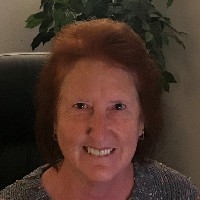
Belinda Edwards
Practical trauma-informed counseling with CBT roots
LPC Louisiana
- Experience
- 12 years in practice
- Focus areas
- Stress, Anxiety, Addictions, Trauma and abuse
- Approaches
- Cognitive Behavioral Therapy (CBT), Eye Movement Desensitization and Reprocessing (EMDR)
- Languages
- English
About Belinda
Belinda Edwards is an LPC with 12 years of clinical experience based in Louisiana. She has worked across community, corrections, and military settings, developing programs for family counseling in inpatient substance use treatment and managing an outpatient clinic for mental health and addiction concerns.
Background and approach
Her background includes a sustained focus on trauma treatment and resolution, and she brings years of hands-on practice addressing stress, anxiety, depression, and substance-related issues. Her approach is informed by cognitive behavioral techniques alongside trauma-focused methods and EMDR, and she also uses motivational interviewing and solution-focused strategies to meet clients where they are.
Belinda is comfortable integrating clients' spiritual perspectives into counseling when that is important to them, and she emphasizes collaborative work to identify practical steps toward coping with grief, relationship and intimacy struggles, anger, career or life transitions, and compassion fatigue.
She invites prospective clients to reach out and schedule according to her availability, and notes willingness to consider adjustments when standard times do not fit a client's schedule.
Approaches that translate well to online care
Cognitive Behavioral Therapy (CBT) focuses on identifying and adjusting unhelpful thought patterns and behaviors to reduce symptoms of anxiety, depression, panic, and mood disorders. Sessions often involve practical exercises and skill-building to help clients manage everyday challenges. Eye Movement Desensitization and Reprocessing (EMDR) is a trauma-focused method used to process distressing memories and reduce their emotional impact; in therapy it involves guided techniques to help reprocess traumatic material. Motivational Interviewing is a collaborative, client-centered approach that helps people explore ambivalence and strengthen motivation for change, which can be especially useful for addictions and readiness-related goals.
Choosing the right approach is an active process. The therapist will work with each client to assess needs, goals, and preferences and then recommend or combine methods that fit the person and situation. That collaboration helps shape a personalized plan rather than relying on a single technique.
Online sessions are offered as video calls, phone sessions, live chat, or text-based messaging, which can make scheduling more flexible around work and family obligations. These formats allow licensed professionals to deliver structured CBT work, trauma-focused interventions, and motivational strategies in ways that fit different communication styles and daily routines, increasing accessibility for people juggling multiple responsibilities.
Frequently asked questions
What concerns does Belinda commonly address?
What is her therapeutic style like?
How much clinical experience does she have?
What credentials and location are on record?
Does she provide services in languages other than English or accept international clients?
Which session formats are available for online work?
How are sessions paid for and what does cost look like?
What are the steps to begin working together?
Areas of expertise
Also works with
Additional focus areas
Therapeutic approaches
Experience
12+ years
Licensed
Louisiana
Languages
English