
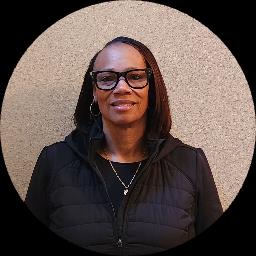
Betty Hull-Williams
Support for trauma, addiction, and relationships
LPC Oklahoma
- Experience
- 18 years in practice
- Focus areas
- Stress, Anxiety, Addictions, Relationship
- Approaches
- Cognitive Behavioral Therapy (CBT), Client-Centered Therapy
- Languages
- English
About Betty
Betty Hull-Williams is an LPC with 18 years of clinical experience based in Oklahoma who supports people facing stress, anxiety, addiction, relationship difficulties, trauma and abuse, depression, grief, and issues around intimacy and self-esteem.
Background and approach
She also works with concerns such as bipolar symptoms, coping with life changes, gender dysphoria, and sexual diversity topics including BDSM and kink. Her practice addresses a broad range of relational and emotional struggles including communication problems, codependency, infidelity, isolation, and questions of life purpose.
Her approach blends evidence-informed methods with a warm, nonjudgmental stance that emphasizes active listening, encouragement, and collaboration. Betty integrates Cognitive Behavioral Therapy (CBT) along with client-centered techniques, Dialectical Behavior Therapy (DBT), Emotionally-Focused Therapy (EFT), and EMDR depending on a client’s needs.
She has experience across correctional settings, drug court programs, methadone clinics, homeless services, and independent practice, and enjoys learning from clients while helping them build practical skills to create a more fulfilling life.
Clients connect with her for both short-term problem solving and deeper work around trauma, identity, addiction, and relationship repair, using strategies tailored to individual goals and circumstances.
Therapeutic Approaches and Online Support
Betty frequently uses Cognitive Behavioral Therapy (CBT) to help people identify and shift unhelpful thoughts and behaviors, which can be useful for anxiety, depression, and coping with life changes. She also incorporates EMDR when addressing trauma-related memories and symptoms, applying guided processing to reduce the intensity of distressing recollections. Additionally, Client-Centered Therapy guides much of her interpersonal stance, emphasizing empathy, active listening, and collaboration to help clients clarify goals and feel respected in the process.
Finding the right approach is part of the work together. She partners with clients to choose or combine methods that fit their specific situation, preferences, and therapeutic goals, adjusting strategies as progress unfolds to maintain a collaborative treatment plan.
Online therapy options include video calls, phone sessions, live chat, and text-based messaging, offering flexibility for different schedules and communication styles. These formats make it easier to maintain continuity of care while balancing other responsibilities, and they allow the therapist to deliver CBT techniques, EMDR-informed work, and client-centered support in ways that match each client's needs and comfort.
Frequently asked questions
What kinds of concerns can be addressed?
Which therapeutic styles does she use in sessions?
How much experience does the therapist have?
What credentials and location are listed?
Are sessions available in other languages or to international clients?
In what formats are sessions offered?
How are fees and payment handled?
What are the first steps to begin therapy?
Areas of expertise
Primary focus
Also works with
Additional focus areas
Therapeutic approaches
Experience
18+ years
Licensed
Oklahoma
Languages
English