
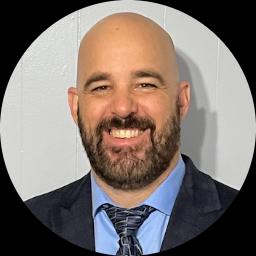
Charles May
Hopeful strategies for change
LCSW Texas
- Experience
- 3 years in practice
- Focus areas
- Stress, Anxiety, Addictions, Trauma and abuse
- Approaches
- Cognitive Behavioral Therapy (CBT), Client-Centered Therapy
- Languages
- English
About Charles
Charles May is an LCSW based in Texas who focuses on helping people manage stress, anxiety, addictions, trauma and abuse, anger, depression, grief, self-esteem concerns, and bipolar-related challenges.
Background and approach
He brings a direct yet compassionate approach to clinical work, emphasizing respect and sensitivity while tailoring conversations and plans to each person’s situation. With three years of professional experience, he draws on practical strategies to support clients facing mood disorders, panic and social anxiety, post-traumatic stress, and issues related to drug and alcohol addiction and isolation.
His style blends client-centered listening with evidence-informed techniques so clients can explore goals at their own pace while practicing skills that produce change. Charles uses Cognitive Behavioral Therapy (CBT) alongside motivational interviewing and trauma-focused methods to address both immediate symptoms and longer-standing patterns.
He presents therapy as a collaborative process, offering steadiness and adaptability as people work toward clearer thinking, improved coping, and healthier behavior patterns.
Evidence-Informed Approaches for Online Support
Cognitive Behavioral Therapy (CBT) helps people identify and change unhelpful thought and behavior patterns through practical exercises and skill-building. It is often used to address anxiety, depression, panic, and mood-related concerns by teaching strategies for managing symptoms and testing new ways of thinking. Client-Centered Therapy emphasizes empathetic listening and collaboration, giving clients space to explore their experiences while the therapist supports self-directed growth and decision making.
Choosing the right approach is part of the therapeutic process, and the therapist will work collaboratively to determine which methods best match a person’s needs, goals, and preferences. That collaborative assessment may mix elements from different approaches over time so treatment stays aligned with changing priorities and progress.
Online therapy offers flexibility through video calls, phone sessions, live chat, or text-based messaging, making it easier to fit consistent care into a busy schedule and to maintain continuity when in-person visits aren’t possible. These formats can support ongoing skill practice, timely check-ins, and regular access to licensed professionals who tailor sessions to each client’s situation.
Frequently asked questions
What kinds of concerns does Charles address?
How would you describe his therapeutic style?
What is his clinical background and experience?
Where is he licensed and practicing?
Does he offer services in other languages or to international clients?
What session formats are available for working together?
How are sessions billed and what do they cost?
How do I begin if I want to work with him?
Areas of expertise
Primary focus
Also works with
Additional focus areas
Therapeutic approaches
Experience
3+ years
Licensed
Texas
Languages
English