
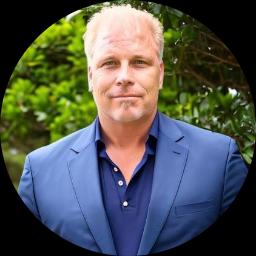
Christopher Korty
Practical, compassionate therapy for everyday challenges
LCSW North Carolina
- Experience
- 20 years in practice
- Focus areas
- Stress, Anxiety, Relationship, Family
- Approaches
- Cognitive Behavioral Therapy (CBT), Dialectical Behavior Therapy (DBT)
- Languages
- English
About Christopher
Christopher Korty is a licensed clinical social worker (LCSW) practicing in North Carolina who works with adults facing a wide range of concerns including stress, anxiety, depression, addiction, trauma and grief.
Background and approach
He supports people navigating relationship and family challenges, anger and impulsivity, self-esteem and intimacy-related issues, and life transitions such as career shifts or parenting struggles. He also addresses mood conditions including bipolar disorder and disruptive mood dysregulation, along with attention-related difficulties like ADHD.
Drawing on two decades of clinical experience, Christopher uses practical, skills-based methods tailored to each person's circumstances. He emphasizes respectful, sensitive, and compassionate engagement while collaborating with clients to shape a treatment plan that fits their goals.
His approach blends Cognitive Behavioral Therapy with techniques from Dialectical Behavior Therapy and Motivational Interviewing to help clients build coping strategies, improve communication, and work toward lasting behavioral change. Christopher frames therapy as a partnership that begins with small, courageous steps.
He aims to empower clients to explore purpose, forgiveness, and healthier patterns while adapting strategies to the realities of their daily lives and responsibilities.
Online tools and evidence-based approaches
Christopher commonly uses Cognitive Behavioral Therapy to help people identify unhelpful thinking patterns and develop practical skills for coping with anxiety, depression, and stress. CBT focuses on changing thoughts and behaviors to reduce distress and improve day-to-day functioning.He also incorporates Dialectical Behavior Therapy strategies to teach emotional regulation, distress tolerance, and interpersonal effectiveness skills useful for managing intense emotions, impulsivity, and relationship difficulties. Motivational Interviewing techniques are employed when ambivalence is present to help clarify personal goals and strengthen motivation for change.
Choosing the right approach is part of the clinical process, and he works collaboratively with each client to decide which methods fit their needs, goals, and preferences. The plan can be adjusted over time as progress is assessed and priorities shift.
Online therapy options include video calls, phone sessions, live chat, and text-based messaging, providing flexibility for scheduling around work, family, and other commitments. These formats make it easier to engage in consistent care from home or another convenient location while maintaining therapy that focuses on concrete skills and problem solving.
Frequently asked questions
What concerns does this therapist address?
How would you describe his therapeutic style and approach?
How much clinical experience does he bring?
What are his credentials and where is he based?
Does he offer services in languages other than English or accept international clients?
What session formats are available for working together?
How is cost handled for therapy with him?
What should I do to begin working with him?
Areas of expertise
Primary focus
Also works with
Additional focus areas
Therapeutic approaches
Experience
20+ years
Licensed
North Carolina
Languages
English