
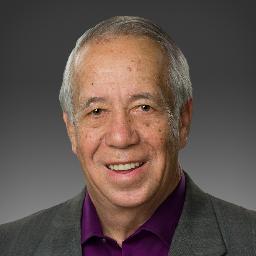
Curtis Spears
Hopeful, practical therapy with experienced guidance
LMHC, LPC Louisiana
- Experience
- 17 years in practice
- Focus areas
- Stress, Anxiety, Relationship, Family
- Approaches
- Cognitive Behavioral Therapy (CBT), Acceptance and Commitment Therapy (ACT)
- Languages
- English
About Curtis
Curtis Spears brings 17 years of clinical experience to his practice, offering support for stress, anxiety, depression, relationship and family concerns, addiction, trauma and abuse, grief, intimacy-related issues, sleep challenges, parenting, anger, career transitions, bipolar disorder, ADHD and other life adjustments.
Background and approach
He has worked across a variety of settings including a hospital psychiatric unit, a pediatric clinic, employee assistance programs in a large hospital and city system, and as an adjunct professor at Louisiana State University, Shreveport. These roles gave him broad exposure to diverse client needs and informed a compassionate, attentive approach.
In his solo practice he emphasizes an accepting, non-judgmental stance and draws on several therapeutic methods to tailor care to each person. Curtis uses Cognitive Behavioral Therapy (CBT) alongside Acceptance and Commitment Therapy, Client-Centered techniques, Emotionally-Focused work, and Solution-Focused strategies to help clients identify patterns, build coping skills, and clarify values and goals.
Licensed as an LMHC and an LPC, he serves clients in Louisiana and also accepts international clients, offering flexible scheduling and multiple communication formats to fit different lifestyles.
Therapeutic Approaches and How They Work Online
Curtis often integrates Cognitive Behavioral Therapy and Acceptance and Commitment Therapy to address thoughts, behaviors, and values in practical ways. CBT focuses on identifying unhelpful thinking patterns and developing concrete skills to manage symptoms like anxiety, depression, and sleep problems. ACT emphasizes accepting difficult internal experiences while clarifying personal values and committing to meaningful behavior change, which can be useful for stress, grief, and coping with life transitions.Finding the right approach is a collaborative process. The therapist partners with each client to explore which methods fit their needs and goals, making adjustments over time so therapy remains aligned with what the client hopes to achieve. This shared decision-making helps tailor sessions whether the focus is on skill development, emotional processing, or problem solving.
Online formats include video calls, phone sessions, live chat, and text-based messaging, offering flexibility for different schedules and comfort levels. These options make it easier to access regular sessions from varied locations and can support ongoing work between appointments through messaging and brief check-ins.
Frequently asked questions
What concerns does Curtis commonly address?
How would you describe his therapeutic style and approach?
What is his professional background and experience?
Where is he licensed and based?
Does he offer sessions in languages other than English?
What session formats does he provide?
How are sessions priced and billed?
What are the first steps to begin working with him?
Areas of expertise
Primary focus
Also works with
Additional focus areas
Therapeutic approaches
Experience
17+ years
Licensed
Louisiana, Oregon, Florida
Languages
English