
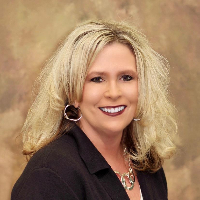
Dr. DeAnna Brookhart
Experienced counselor focused on practical change
LCPC Illinois
- Experience
- 27 years in practice
- Focus areas
- Addictions, Relationship, Family
- Approaches
- Cognitive Behavioral Therapy (CBT), Client-Centered Therapy
- Languages
- English
About DeAnna
Dr. DeAnna Brookhart practices from a client-centered, solution-oriented standpoint and often integrates cognitive behavioral techniques to help people change unhelpful thoughts and behaviors.
Background and approach
Dr. Brookhart is an LCPC with nearly three decades of clinical experience in community mental health and independent practice in Illinois.
She draws on broad training in addictions and behavioral approaches while attending to emotional, social, and physical influences on well-being. Her work spans concerns such as addiction, depression, anxiety, relationship and family challenges, grief, compassion fatigue, and stress, along with many related areas including communication and commitment issues, codependency, trauma and abuse, bipolar disorder, and parenting difficulties.
She also supports people coping with life transitions, workplace trauma, body image struggles, caregiver stress, and the effects of domestic violence and divorce. Dr.
Brookhart emphasizes collaborative goal-setting and practical skills to promote day-to-day functioning and emotional resilience. Outside of clinical work, she values family time, cooking, reading, and beach travel.
Prospective clients who are motivated to explore change will find a practitioner who prioritizes partnership, clear strategies, and a holistic view of health.
Evidence-Based Approaches for Online Support
Cognitive Behavioral Therapy (CBT) is focused on identifying and changing unhelpful thought patterns and behaviors; it is commonly used for anxiety, depression, addictions, and stress-related problems. Client-Centered Therapy emphasizes empathy, active listening, and creating a supportive space where the client’s priorities guide the work, which can help with self-esteem, relationship issues, and life transitions.
Finding the right approach is part of the therapeutic process, and the therapist will collaborate with each person to determine what fits best. That may mean combining CBT techniques with client-centered listening or drawing on motivational interviewing when helping someone address substance use or ambivalence about change. The goal is to tailor methods to a client’s goals, needs, and preferences through an ongoing dialogue.
Online sessions are offered via video calls, phone sessions, live chat, or text-based messaging to increase flexibility and accessibility. These formats allow for consistent contact and practical skill-building without needing to travel, which can make it easier to maintain momentum between appointments and fit therapy into a busy life.
Frequently asked questions
What concerns does she commonly address?
What is her therapeutic style like?
How long has she been practicing?
What credentials and location information are provided?
Does she offer services in other languages or to international clients?
What session formats are available for appointments?
How is cost handled for therapy with her?
What are the first steps to begin work together?
Areas of expertise
Primary focus
Also works with
Additional focus areas
Therapeutic approaches
Experience
27+ years
Licensed
Illinois
Languages
English