
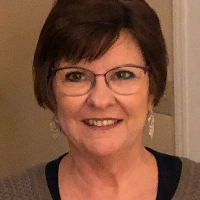
Debbie Esque
Compassionate counselor focused on practical change
LCMHC North Carolina
- Experience
- 20 years in practice
- Focus areas
- Stress, Anxiety, Bipolar, Depression
- Approaches
- Cognitive Behavioral Therapy (CBT)
- Languages
- English
About Debbie
Debbie Esque is a Licensed Clinical Mental Health Counselor with two decades of experience helping people navigate anxiety, depression, bipolar mood concerns, and a wide range of life transitions.
Background and approach
She emphasizes building a trusting working relationship as the foundation for meeting each client's goals and begins by clarifying what a person most needs from therapy. Her style blends kindness and sensitivity with clear, direct guidance when appropriate.
Debbie uses Cognitive Behavioral Therapy (CBT) to help clients examine patterns of thinking and behavior that contribute to stress, relationship strain, obsessive-compulsive tendencies, grief, and parenting or career challenges. She also draws on integrative thinking from her long clinical practice to tailor strategies to an individual's situation.
Licensed in North Carolina as an LCMHC, she brings both formal training and practical experience to address issues such as adoption and foster care concerns, autism-related challenges, blended family dynamics, trauma and abuse, end-of-life caregiving, and feelings of isolation or life-purpose uncertainty.
Debbie frames therapy as a collaborative process aimed at resolving emotional and behavioral difficulties so clients can move toward more satisfying, functional lives.
Approaches and Flexibility for Online Care
Cognitive Behavioral Therapy (CBT) is used to help clients identify and change unhelpful thought and behavior patterns that contribute to anxiety, depression, stress, and obsessive tendencies; sessions typically include practical tools like thought records and behavioral experiments. Debbie also integrates techniques from her broad clinical experience to adapt interventions to each person's circumstances, which can be useful for issues such as grief, family challenges, adoption-related concerns, and life transitions.
Finding the right approach is treated as a collaborative process. The therapist works with clients to explore goals, preferences, and day-to-day realities, and adjusts methods over time so strategies fit what actually helps the client make progress.
Online therapy with this practice is offered through video calls, phone sessions, live chat, and text-based messaging to increase accessibility and scheduling flexibility. These options make it easier to maintain continuity of care across busy schedules, respond rapidly to emerging concerns, and practice skills between live sessions with ongoing therapist feedback.
Frequently asked questions
What kinds of concerns does she address?
What is her therapeutic style like?
How long has she been practicing?
What credentials and location are listed?
Does she work in languages other than English or accept international clients?
What session formats are available?
How does pricing work for sessions?
What is the process for getting started?
Areas of expertise
Primary focus
Also works with
Additional focus areas
Therapeutic approaches
Experience
20+ years
Licensed
North Carolina, New Jersey, New Hampshire
Languages
English