
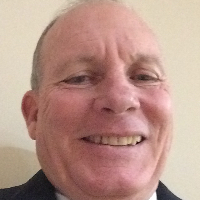
Donald McRae
Compassionate clinician guiding practical change
LPC, LCMHC North Carolina
- Experience
- 25 years in practice
- Focus areas
- Stress, Anxiety, Addictions, Relationship
- Approaches
- Cognitive Behavioral Therapy (CBT), Acceptance and Commitment Therapy (ACT)
- Languages
- English
About Donald
Donald McRae is a Licensed Professional Counselor (LPC) and a Licensed Clinical Mental Health Counselor (LCMHC) who focuses on a broad range of concerns including stress, anxiety, addiction, relationship and family challenges, grief, trauma and abuse, depression, and issues with intimacy and sleep.
Background and approach
With 25 years of experience, he brings depth from work in clinics, military settings, and nonprofit organizations, offering both group and individual therapy options.
He draws on evidence-based approaches such as Cognitive Behavioral Therapy (CBT), Dialectical Behavior Therapy (DBT), Acceptance and Commitment Therapy (ACT), mindfulness practices, Motivational Interviewing, and brief solution-focused techniques to tailor care to each person’s needs. Donald emphasizes a nonjudgmental, compassionate stance and encourages clients who are willing to engage in self-reflection and change.
Licensed in North Carolina (LCMHC 16473) and South Carolina (SC LPC 4661), he has a track record of helping people pursue goals related to self-esteem, coping with life transitions, caregiver stress, workplace concerns, and behavioral health conditions such as bipolar disorder and ADHD.
His approach combines practical skills training with exploration of values and motivation to support meaningful progress.
Practical approaches for online therapy and skill building
Donald integrates Cognitive Behavioral Therapy and Acceptance and Commitment Therapy alongside Dialectical Behavior Therapy tools to help clients address patterns of thought, build coping skills, and clarify values. CBT focuses on identifying and shifting unhelpful thinking and behavior patterns to reduce symptoms like anxiety and depression. ACT emphasizes values-driven action and acceptance strategies to help people move forward even when uncomfortable feelings are present. DBT contributes practical skills for emotion regulation, distress tolerance, and interpersonal effectiveness that are useful for relationship and anger concerns.Choosing the right approach is a collaborative process. The therapist works with each client to assess goals, preferences, and presenting issues, then recommends a combination of methods tailored to those needs. Over time the plan is adjusted based on what is most helpful for progress and daily functioning.
Online sessions are available by video calls, phone, live chat, or text-based messaging, offering flexibility for different schedules and comfort levels. These formats make it easier to maintain continuity of care while practicing new skills between appointments, and they allow clients to access licensed professionals from their own location.
Frequently asked questions
What concerns does this therapist address?
What is his therapeutic style and approach?
What experience does he bring to therapy?
What credentials and licenses does he hold and where is he based?
Which languages are available and can international clients work together?
What session formats are offered for online care?
How are fees and subscriptions handled?
How does someone get started with therapy?
Areas of expertise
Primary focus
Also works with
Additional focus areas
Therapeutic approaches
Experience
25+ years
Licensed
South Carolina, North Carolina
Languages
English