
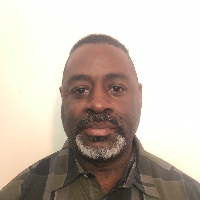
Dwayne Kilgore
Compassionate trauma-informed CBT therapist
LPC Texas
- Experience
- 6 years in practice
- Focus areas
- Stress, Anxiety, Trauma and abuse, Depression
- Approaches
- Cognitive Behavioral Therapy (CBT), Motivational Interviewing
- Languages
- English
About Dwayne
Dwayne Kilgore is a Licensed Professional Counselor (LPC) based in Texas who combines cognitive behavioral methods with trauma-focused strategies to help clients navigate difficult life experiences.
Background and approach
With six years of professional experience and more than a decade of prior work as a Christian lay counselor in the Dallas area, he focuses on trauma and post-traumatic stress while also addressing concerns such as anxiety, depression, grief, anger, bipolar mood challenges, and intimacy-related struggles.
He brings a warm, interactive, and supportive style to sessions, encouraging collaboration and practical problem solving. His use of Cognitive Behavioral Therapy helps clients identify and shift unhelpful thoughts and behaviors, while trauma-focused techniques such as Cognitive Processing Therapy are applied for PTSD and other trauma-related issues.
Motivational Interviewing and solution-focused tools are used to set clear goals and sustain change. Dwayne aims to empower clients to regain control over areas of life that feel stuck, offering a positive, strengths-aware approach that emphasizes partnership in the healing process.
He welcomes those seeking practical strategies and compassionate guidance toward better daily functioning and emotional resilience.
Using CBT and Trauma-Focused Methods in Online Care
Cognitive Behavioral Therapy (CBT) focuses on identifying patterns of thinking and behavior that contribute to emotional distress and then developing practical strategies to change them; this approach can help with anxiety, depression, panic, and mood concerns. Trauma-Focused Therapy, including techniques like Cognitive Processing Therapy, concentrates on understanding and processing traumatic memories and their impact to reduce PTSD symptoms and related difficulties.
Finding the right approach is treated as a collaborative process. The therapist works with clients to assess needs, goals, and preferences and then adapts CBT, trauma-focused tools, or solution-oriented techniques as appropriate to create a personalized plan. Clients are invited to participate actively in shaping the work and tracking progress over time.
Online therapy offers flexible ways to engage, including video calls, phone sessions, live chat, and text-based messaging. These options make it easier to maintain continuity of care around busy schedules, allow regular check-ins between sessions, and support access to licensed professionals from the client’s own location. Practical adaptations for remote work are used to ensure therapeutic techniques translate effectively to an online format.
Frequently asked questions
What concerns does he commonly address?
What type of therapeutic approach does he use?
How much clinical experience does he have?
Where is he based and what are his credentials?
Does he offer services in other languages or to international clients?
What session formats are available for working together?
How are sessions billed and what does therapy cost?
How do I begin therapy with him?
Areas of expertise
Primary focus
Also works with
Additional focus areas
Therapeutic approaches
Experience
6+ years
Licensed
Texas
Languages
English