
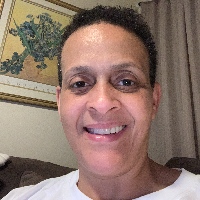
Eugenia Davis
Compassionate, experienced therapist focused on practical change
LCMHC North Carolina
- Experience
- 22 years in practice
- Focus areas
- Stress, Anxiety, Addictions, Relationship
- Approaches
- Cognitive Behavioral Therapy (CBT), Client-Centered Therapy
- Languages
- English
About Eugenia
Eugenia Davis brings more than two decades of clinical experience to her counseling practice, combining a Master of Science in Mental Health Counseling with a long history of work in both mental health and substance use settings.
Background and approach
She holds the LCMHC credential in North Carolina, license number 9235, and has supported people facing a wide range of concerns including anxiety, depression, addiction, trauma, grief, bipolar disorder, and issues related to identity and relationships. Her approach centers on helping clients develop perspective and practical skills rather than offering ready-made answers.
She draws from Cognitive Behavioral Therapy alongside client-centered and emotionally focused methods, blending structured skill work with attention to emotions and personal values. Eugenia emphasizes collaboration and reflection, guiding clients to explore different viewpoints and discover resources they already possess for coping and change.
Working with both short-term challenges and longer-term difficulties, she integrates mindfulness and motivational interviewing techniques when helpful, tailoring the process to the individual’s needs and goals. Based in North Carolina, she accepts English-speaking and international clients and offers multiple online session formats to increase accessibility.
Approach and Access: Therapy Methods Delivered Online
Eugenia frequently uses Cognitive Behavioral Therapy to help clients identify unhelpful thinking and develop concrete strategies for changing behaviors and managing symptoms; this method is often applied to anxiety, depression, and coping with life changes. She also draws on Client-Centered Therapy, which emphasizes a respectful, nonjudgmental relationship and supports clients in exploring their own goals and strengths. Emotionally-Focused Therapy is used when work on attachment, emotional expression, and deeper relational patterns is beneficial to the client.Finding the right approach is treated as a collaborative process. She works with each person to understand their needs, values, and preferences and then tailors techniques and pacing accordingly. Clients and therapist review what is working and adjust strategies so the plan fits the client’s goals rather than following a one-size-fits-all model.
Online therapy options include video calls, phone sessions, live chat, and text-based messaging, which offer flexibility for different schedules and comfort levels. These formats make it easier to maintain continuity of care and to practice skills between sessions while accommodating work, travel, or other life demands. Licensed professionals can use these tools to deliver structured skill-building, emotion-focused exploration, and supportive counseling in ways that fit everyday life.
Frequently asked questions
What kinds of concerns does she address?
How would you describe her therapeutic style?
What is her professional background?
Where is she licensed and what credentials does she hold?
Does she work with clients who live outside the United States?
Which session formats are offered?
How are fees and billing handled?
What do I need to do to begin working with her?
Areas of expertise
Primary focus
Also works with
Additional focus areas
Therapeutic approaches
Experience
22+ years
Licensed
North Carolina
Languages
English