
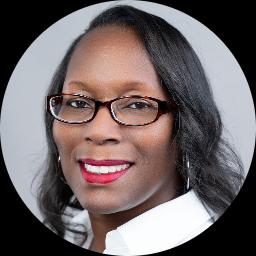
Jeannette Farmer
Compassionate, skills-focused counseling for everyday challenges
LCMHC North Carolina
- Experience
- 3 years in practice
- Focus areas
- Stress, Anxiety, Grief, Self esteem
- Approaches
- Cognitive Behavioral Therapy (CBT), Client-Centered Therapy
- Languages
- English
About Jeannette
Jeannette Farmer is a licensed clinical mental health counselor (LCMHC) practicing in North Carolina who centers her work on practical, skills-based approaches such as cognitive behavioral therapy alongside client-centered and mindfulness techniques.
Background and approach
She focuses on helping people manage stress, anxiety, depression, grief, and challenges related to self-esteem and life transitions, drawing on three years of professional experience to tailor strategies to each person’s situation. Jeannette emphasizes the client’s own strengths and perspectives as central to the therapeutic process, encouraging active collaboration to set realistic goals and build coping skills.
Her practice also addresses relationship and family concerns, intimacy-related issues, parenting difficulties, anger, career stress, and a range of specific areas including attachment and abandonment, blended family dynamics, caregiver stress, communication problems, and recovery from infidelity. Jeannette works with those affected by guilt and shame, isolation, pregnancy and childbirth challenges, HIV/AIDS related issues, and seasonal mood shifts.
She aims to create a respectful space where clients can explore problems, identify patterns, and develop practical tools to navigate change and improve daily functioning.
Approaches That Translate Well to Online Therapy
Cognitive behavioral therapy (CBT) focuses on identifying and changing unhelpful thinking and behavior patterns. It is practical and goal-oriented, often used for issues such as anxiety, depression, stress, and mood changes by teaching tools for symptom management and problem solving. Client-centered therapy emphasizes understanding the person’s experience and building a collaborative, empathetic relationship; it supports self-exploration, confidence, and emotional processing through reflective listening and validation.
Finding the right fit is part of the therapeutic journey, and the therapist will work together with each client to choose or blend approaches that match their needs, goals, and preferences. This collaborative process helps shape a plan that feels useful and realistic for daily life, with ongoing adjustments based on progress and feedback.
Online sessions via video calls, phone, live chat, or text-based messaging provide flexible ways to access therapy without needing to travel. These options can make it easier to maintain consistency with appointments, integrate skills into real-world routines, and fit sessions into busy schedules, while offering multiple ways to communicate depending on comfort and situation.
Frequently asked questions
What kinds of concerns can be addressed in sessions?
What therapeutic styles does she use in practice?
How much clinical experience does she bring?
What are her credentials and where is she licensed?
Does she offer services in other languages or accept international clients?
In what formats are sessions available?
How is cost handled for sessions?
What is the process to begin working together?
Areas of expertise
Also works with
Additional focus areas
Therapeutic approaches
Experience
3+ years
Licensed
North Carolina
Languages
English