
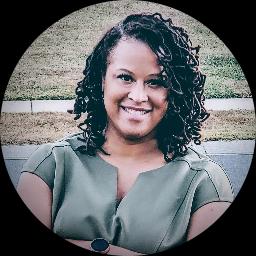
Lakeisha McKnabb
Compassionate counselor guiding practical change
LCMHC North Carolina
- Experience
- 18 years in practice
- Focus areas
- Addictions, Family, Depression
- Approaches
- Cognitive Behavioral Therapy (CBT), Client-Centered Therapy
- Languages
- English
About Lakeisha
Lakeisha McKnabb is a licensed clinical mental health counselor (LCMHC) practicing in North Carolina who brings 18 years of professional experience to her work.
Background and approach
She focuses on a wide range of concerns including addictions, family conflict, depression, anxiety, relationship issues, trauma and abuse, grief, and workplace stress, and also offers coaching for executives and professionals. Lakeisha emphasizes clients' strengths and believes people are the experts of their own stories, using that perspective to guide collaborative goals and practical steps toward change.
Her approach draws from several evidence-informed methods such as Cognitive Behavioral Therapy, Client-Centered Therapy, EMDR, hypnotherapy, and mindfulness practices to meet different needs. Lakeisha frames the first step of therapy as an act of courage and aims to create an encouraging environment where clients can explore coping skills, work through life transitions, and rebuild confidence.
She is available to those seeking support in English and provides multiple remote session formats to fit various schedules.
Online Approaches that Support Change and Healing
Lakeisha often integrates Cognitive Behavioral Therapy (CBT) and Client-Centered Therapy when working with clients remotely. CBT focuses on identifying and shifting unhelpful thoughts and behaviors to reduce symptoms like anxiety, depression, and stress, and it often includes practical skill-building and homework to reinforce progress. Client-Centered Therapy emphasizes empathy, active listening, and the client’s own pace and perspective, helping people explore goals and build self-understanding.She may also draw on EMDR when trauma processing is appropriate; EMDR uses guided bilateral stimulation alongside memory-focused work to help reduce the intensity of distressing memories and associated symptoms. Decisions about which approaches to use are made collaboratively, with the therapist and client discussing treatment preferences, goals, and comfort to find the best fit for each person’s situation.
Online sessions are offered through video calls, phone sessions, live chat, or text-based messaging to provide flexibility for different lifestyles and needs. These remote formats make it easier to schedule consistent work, keep momentum between sessions, and access care from home or work while tailoring the method and pace of therapy to the client’s goals.
Frequently asked questions
What kinds of concerns can be addressed in sessions?
How would you describe the therapeutic style?
What is her professional background and experience?
Where is the therapist licensed and what credential does she hold?
Does she offer sessions in languages other than English or accept international clients?
What session formats are available for remote therapy?
How is pricing handled for therapy with her?
What steps are required to begin working together?
Areas of expertise
Primary focus
Also works with
Additional focus areas
Therapeutic approaches
Experience
18+ years
Licensed
North Carolina
Languages
English