
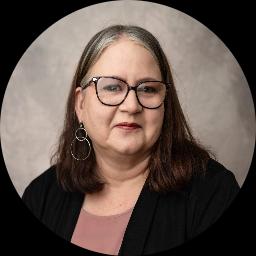
Laura Chilson
Calm, practical therapy for everyday challenges
LPC Oklahoma
- Experience
- 5 years in practice
- Focus areas
- Stress, Anxiety, Relationship, Trauma and abuse
- Approaches
- Cognitive Behavioral Therapy (CBT), Attachment-Based Therapy
- Languages
- English
About Laura
Laura Chilson is an LPC practicing in Oklahoma who blends practical, evidence-informed methods with empathetic listening to help clients move toward healthier patterns.
Background and approach
With five years of professional experience in mental health roles that include social services, life coaching, and school counseling, she draws on diverse settings to shape an individualized therapeutic process.
Her training included a master's degree in professional counseling, passage of the National Counselor Exam, and 3000 hours of supervised clinical experience, culminating in licensure as an LPC (OK LPC 11964).
Using approaches such as Cognitive Behavioral Therapy, attachment-based strategies, and mindfulness-informed techniques, Chilson works with people on a range of concerns including stress, anxiety, trauma and abuse recovery, relationship and parenting challenges, depression, addiction-related issues, grief, sleep difficulties, bipolar disorder, and coping with life changes.
Additional focuses include attachment issues, family of origin and blended family conflicts, chronic illness and pain, immigration-related concerns, and forgiveness work. She frames therapy as a collaborative effort, tailoring conversations and goals to each person's specific needs while offering steady support through transitional and recovery-oriented work.
How therapeutic approaches translate to online sessions
Laura Chilson uses Cognitive Behavioral Therapy to help clients identify and change unhelpful thinking and behavior patterns; this approach is often applied to concerns like anxiety, depression, sleep issues, and coping with life changes. Attachment-Based Therapy is also part of her practice and focuses on understanding relational patterns and emotional bonds, which can support work on relationship difficulties, attachment issues, and family of origin concerns. Client-Centered Therapy shapes the therapeutic stance by emphasizing empathy, respect, and collaborative goal-setting so the client’s preferences guide the pace and focus of care.Choosing the right approach is a collaborative process. The therapist partners with each client to explore which methods fit their needs and goals, adapting techniques from these approaches as understanding grows and priorities shift over time.
Online formats available include video calls, phone sessions, live chat, and text-based messaging, offering flexibility for people balancing work, family, or health needs. These options make it possible to continue consistent work on skills, processing, and problem-solving without geographic travel, while allowing therapists and clients to tailor session length and frequency to what works best for their situation.
Frequently asked questions
What kinds of concerns does this therapist address?
What therapeutic approaches guide the work?
How much clinical experience does the therapist have?
What are the therapist's credentials and where are they located?
Does the therapist offer services in other languages or to international clients?
Which session formats are available for remote care?
How is cost handled for sessions?
What steps are involved in beginning therapy?
Areas of expertise
Primary focus
Also works with
Additional focus areas
Therapeutic approaches
Experience
5+ years
Licensed
Oklahoma
Languages
English