
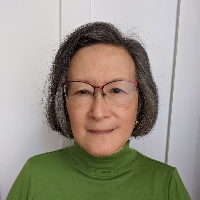
Lillian Tsai
Calm, practical support for life transitions
LCSW New York
- Experience
- 20 years in practice
- Focus areas
- Stress, Anxiety, Trauma and abuse, Grief
- Approaches
- Cognitive Behavioral Therapy (CBT), Client-Centered Therapy
- Languages
- English, Mandarin
About Lillian
Lillian Tsai is a licensed clinical social worker who focuses on helping people manage stress, anxiety, grief, trauma, depression, and life transitions. She combines practical problem-solving with empathic listening to support clients facing relationship and family challenges, career stress, identity concerns including LGBT issues, and compassion fatigue.
Background and approach
With two decades of clinical experience, she draws on a range of therapeutic methods to tailor care to each persons needs. Tsai practices from a client-centered stance that emphasizes each individual's strengths while also integrating evidence-informed tools.
She often uses Cognitive Behavioral Therapy to identify unhelpful thinking patterns and introduce concrete coping skills, and she can incorporate emotionally focused and solution-oriented strategies when relationships or immediate goals need attention.
Her background includes work in settings such as child welfare, victim services, and hospitals, which informs an understanding of trauma, domestic violence, caregiver stress, and complex grief. Available to English- and Mandarin-speaking clients, Tsai accepts international clients and offers flexible session formats to match varied schedules.
She frames therapy as a collaborative process where clients help shape goals and treatment steps while she provides guidance, skills, and compassionate support.
Approaches for Online Growth and Change
Client-Centered Therapy emphasizes the client's own perspective and strengths, creating space for individuals to lead their healing while the therapist reflects, supports, and helps refine personal goals. Cognitive Behavioral Therapy (CBT) focuses on identifying unhelpful thoughts and learning practical skills to change patterns in thinking and behavior, which can be useful for anxiety, depression, and stress-related problems. Emotionally-Focused Therapy (EFT) attends to emotional experience and relational patterns, helping people understand and shift how they connect with others when relationship distress or attachment issues arise.Finding the right approach is part of the therapy process. The therapist works collaboratively with each client to explore which methods fit their goals, preferences, and the challenges they face, and she can combine elements from different approaches as needs evolve.
Online sessions via video, phone, live chat, or text-based messaging make it easier to fit therapy into busy lives, travel schedules, or geographically distant locations. These options offer flexibility in pacing, allow follow-up between meetings when needed, and help clients engage in consistent work from wherever they are while maintaining the same therapeutic focus they would expect in-person.
Frequently asked questions
What concerns does this therapist commonly address?
What therapeutic style can I expect in sessions?
How much clinical experience does the therapist have?
Where is the therapist licensed and based?
Which languages does the therapist offer?
What session formats are available for online work?
How does payment and cost work for sessions?
What steps are involved in getting started?
Areas of expertise
Also works with
Additional focus areas
Therapeutic approaches
Experience
20+ years
Licensed
New York
Languages
English, Mandarin