
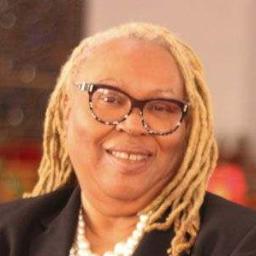
Dr. Marguerite Allen
Compassionate, practical therapy for lasting change
LCMHC North Carolina
- Experience
- 25 years in practice
- Focus areas
- Stress, Anxiety, Trauma and abuse, Grief
- Approaches
- Cognitive Behavioral Therapy (CBT), Client-Centered Therapy
- Languages
- English
About Marguerite
Dr. Marguerite Allen offers care for adults facing stress, anxiety, grief, mood disorders, addiction concerns, relationship strains, and life transitions.
Background and approach
She is a good fit for people willing to engage in active work toward change and who appreciate a collaborative, practical approach to therapy. Dr.
Allen draws on 25 years of clinical experience as an LCMHC licensed in North Carolina, combining evidence-informed techniques to meet each person’s needs. Her practice blends cognitive behavioral methods with client-centered and dialectical behavior strategies, along with motivational interviewing and solution-focused tools.
This flexible stance means she emphasizes skills, thought-behavior connections, and goal-oriented planning while honoring each client’s perspectives and pace. Dr.
Allen’s academic background includes degrees in behavioral studies, psychology, ministry, and a doctorate in counseling, and she applies that breadth to issues such as trauma and abuse, depression, bipolar concerns, parenting and family difficulties, anger, and multicultural questions.
Sessions are offered through a subscription model that can be canceled at any time, and formats include video calls, phone sessions, live chat, and text-based messaging. Prospective clients in North Carolina who communicate in English can begin by completing a short matching questionnaire and scheduling according to her availability.
Approaches That Guide Online Sessions
Dr. Allen commonly integrates Cognitive Behavioral Therapy and Client-Centered Therapy in her online work. CBT focuses on identifying and changing unhelpful thought patterns and behaviors, providing concrete skills to manage anxiety, depression, panic, and mood symptoms. Client-centered work emphasizes the client’s perspective and personal goals, fostering a respectful, nonjudgmental environment that supports insight and growth.She also draws on Dialectical Behavior Therapy techniques when emotional regulation, distress tolerance, or relational skills are priorities; DBT offers structured skills training to help manage intense emotions and reduce impulsive reactions. Together these approaches give both practical tools and collaborative support tailored to each person’s needs.
Finding the best fit is a collaborative process. The therapist will discuss goals, preferences, and life circumstances to determine which methods to prioritize and may adjust the approach as work progresses. This partnership helps ensure sessions remain relevant and focused on the outcomes the client values.
Online formats include video calls, phone sessions, live chat, and text-based messaging, offering flexibility for different schedules and comfort levels. These options make it easier to maintain continuity of care while fitting therapy into everyday life, allowing clients to access licensed professionals from locations within North Carolina in a format that suits them.
Frequently asked questions
What concerns does she commonly address?
How would you describe her therapeutic style?
What level of experience does this therapist have?
What are her credentials and where is she based?
Can I work with her if I live outside the United States?
Which session formats are available for online work?
How are sessions priced and billed?
What are the first steps to begin therapy?
Areas of expertise
Also works with
Additional focus areas
Therapeutic approaches
Experience
25+ years
Licensed
North Carolina
Languages
English