
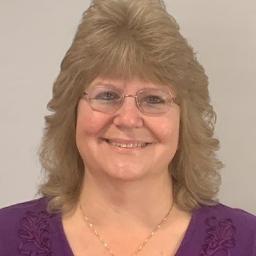
Mary Booth
Calm, experienced guidance for life’s challenges
LMHC New York
- Experience
- 29 years in practice
- Focus areas
- Stress, Anxiety, Addictions, Grief
- Approaches
- Cognitive Behavioral Therapy (CBT), Client-Centered Therapy
- Languages
- English
About Mary
Mary Booth brings nearly three decades of counseling practice to clients in New York as a Licensed Mental Health Counselor (LMHC).
Background and approach
She developed an early commitment to helping others and translated that drive into a long career supporting people facing stress, anxiety, depression, grief, addictions, and struggles with self-esteem. Her background includes work with substance use concerns, codependency, obsessive-compulsive patterns, workplace stress, and questions of life purpose and loneliness.
Her style blends client-centered listening with evidence-informed methods, drawing on Cognitive Behavioral Therapy (CBT), Dialectical Behavior Therapy (DBT), mindfulness, motivational interviewing, and solution-focused techniques as appropriate. Rather than using a single technique for everyone, she adapts interventions to fit each person’s needs and goals.
Mary is known for a patient, compassionate presence and a practical orientation toward helping clients identify coping strategies and take steps that improve daily functioning. Available in English and practicing from New York, she offers a supportive, goal-focused approach intended to help people clarify priorities, manage difficult emotions, and build skills for healthier patterns of thought and behavior.
How evidence-informed approaches translate to online care
Cognitive Behavioral Therapy (CBT) focuses on identifying unhelpful thoughts and testing them against real-life evidence, then building practical skills to change behaviors and reduce distress; it is often used for anxiety, depression, and stress-related problems. Client-Centered Therapy emphasizes warm, nonjudgmental listening and collaboration so clients feel understood and can explore values, identity, and goals at their own pace; this approach supports work on self-esteem, life purpose, and grief. Dialectical Behavior Therapy (DBT) blends acceptance and change strategies and teaches concrete skills in emotion regulation, distress tolerance, and interpersonal effectiveness, which can help with intense emotions and patterns like impulsive behavior.
Choosing the right approach is a shared process. The therapist will work collaboratively to assess needs, discuss options, and tailor methods to a client’s goals and preferences rather than applying a single modality from the start.
Online sessions are offered as video calls, phone sessions, live chat, or text-based messaging to increase flexibility and accessibility for people with busy schedules or mobility limits. These formats make it possible to continue steady therapeutic work, practice skills between sessions, and access support from New York without needing to travel to an office.
Frequently asked questions
What kinds of concerns does Mary help with?
What is her therapeutic approach and style?
How long has she been practicing?
Where is she licensed and practicing?
Does she offer services in other languages or accept international clients?
What session formats are available for online work?
How are fees and subscriptions handled?
What steps are needed to begin therapy?
Areas of expertise
Primary focus
Additional focus areas
Therapeutic approaches
Experience
29+ years
Licensed
New York
Languages
English